Common Gynaecological Conditions Every Woman Should Know
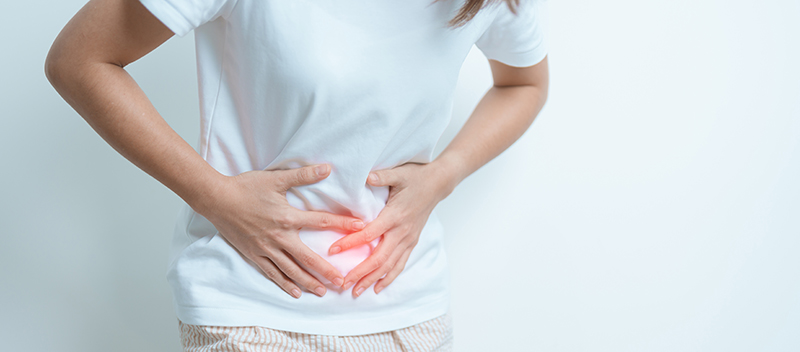

Have you ever told yourself that painful cramps are simply part of being a woman? Or wondered if heavy bleeding is just something you need to endure each month? Many women normalise symptoms that quietly disrupt their daily lives. Yet your body often signals when something is not quite right.
By understanding common gynaecological conditions, you place yourself in a stronger position to recognise early warning signs. Timely attention not only eases discomfort but can also prevent future complications.
Endometriosis
Endometriosis develops when tissue similar to the lining of the uterus grows outside the womb. These deposits may attach to the ovaries, fallopian tubes or other pelvic structures. Because this tissue responds to monthly hormonal shifts, it can trigger inflammation and significant discomfort.
You may experience intense menstrual cramps that interfere with work or social activities. Some women notice pain during intimacy or ongoing lower abdominal aches that persist beyond their period. Fertility challenges may also arise in certain cases. Management ranges from hormonal medication to minimally invasive surgery, depending on severity and personal goals.
Polycystic Ovary Syndrome
Polycystic Ovary Syndrome, often referred to as PCOS, is a hormonal imbalance that affects ovulation. It may lead to irregular or absent periods, acne, thinning hair on the scalp or increased hair growth on the face and body. Weight fluctuations are also common.
Beyond cycle irregularity, PCOS is frequently associated with insulin resistance. Over time, this can influence metabolic health and raise the risk of type 2 diabetes and cardiovascular disease. Fertility may also be affected if ovulation becomes unpredictable.
Treatment plans are tailored to your priorities. These may include regulating periods, supporting fertility or improving hormonal balance through lifestyle changes and medical therapy.
Uterine Fibroids
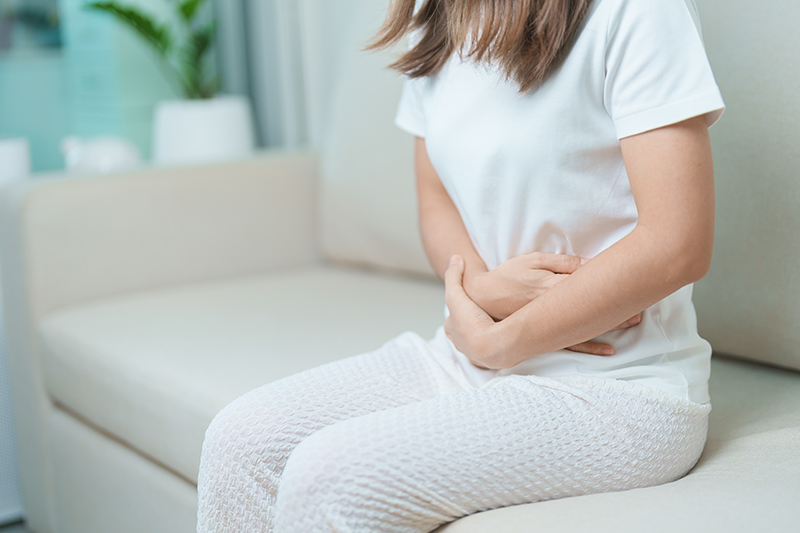
Fibroids are non cancerous growths that arise from the muscular wall of the uterus. They are particularly common in women in their thirties and forties. Some remain small and cause no obvious symptoms. Others can lead to heavy bleeding, prolonged periods or a sensation of fullness in the lower abdomen.
If you find yourself changing sanitary protection more frequently than usual or feeling drained due to ongoing blood loss, fibroids may be contributing. Larger growths can press against the bladder or bowel, resulting in frequent urination or constipation. Management depends on the size, number and location of the fibroids as well as your reproductive plans. Options range from medication to surgical removal using key hole techniques designed to minimise recovery time.
Ovarian Cysts
Ovarian cysts are fluid filled sacs that develop on the ovaries. Many are harmless and resolve naturally as part of the ovulation process. However, certain cysts persist or enlarge, leading to pelvic discomfort or bloating.
You may notice a dull ache on one side of the lower abdomen or intermittent discomfort that comes and goes. In uncommon situations, a cyst can rupture or twist, resulting in sudden severe pain that requires urgent medical attention. Regular monitoring through pelvic examinations and ultrasound scans helps determine whether observation or intervention is necessary.
Pelvic Inflammatory Disease
Pelvic Inflammatory Disease, also known as PID, is an infection affecting the female reproductive organs. It often arises from untreated sexually transmitted infections. Early symptoms may be subtle, including unusual discharge, mild pelvic pain or low grade fever. If left untreated, PID can cause scarring of the fallopian tubes and future fertility issues. Prompt antibiotic treatment reduces the risk of long term complications. Seeking medical advice when you notice abnormal bleeding, discomfort during intercourse or persistent pelvic tenderness can make a meaningful difference.
Cervical Cell Changes and Screening
Routine cervical screening plays an essential role in detecting early cellular abnormalities. An abnormal Pap smear does not automatically mean cancer. It indicates that further evaluation is required.
Human papillomavirus is a common cause of cervical cell changes. In many women, the immune system clears the virus naturally. For others, closer observation or minor procedures may be recommended to prevent progression.
Staying consistent with screening appointments ensures that any changes are identified early when they are most manageable.
Gynaecological Care with Dr. Wei-Wei Wee-Stekly
Gynaecological conditions such as endometriosis, PCOS, fibroids and cervical changes are more common than many women realise, yet early recognition and timely care can give yourself the opportunity for effective treatment and peace of mind.
If you are concerned about pelvic pain, unusual bleeding or reproductive health, consider booking a consultation with Dr. Wei-Wei Wee-Stekly at The Wei-Wei Clinic for Women. Taking that first step towards expert care could be one of the most important decisions you make for your long term well-being.
Meet Our Gynaecologist in Singapore
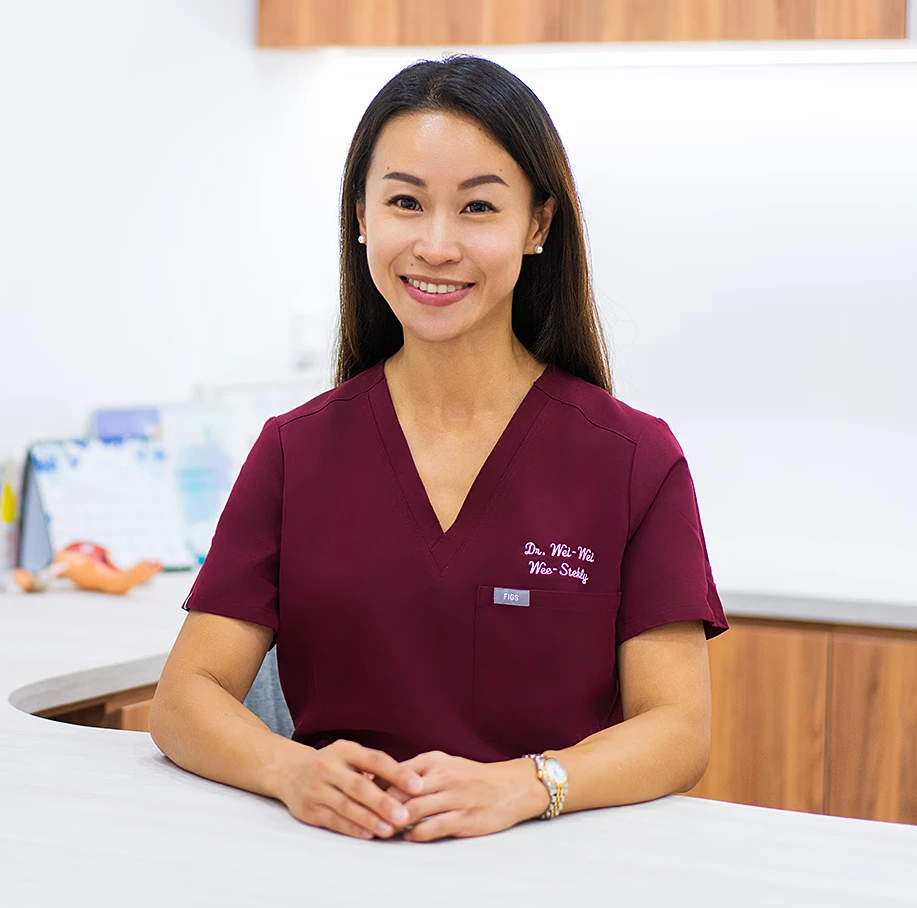
Dr. Wei-Wei Wee-Stekly is a senior consultant obstetrician and gynaecologist with extensive experience in women’s health at every stage of life. She earned her Bachelor of Medicine and Bachelor of Surgery from Guy’s, King’s and St Thomas’ School of Medicine at King’s College London in 2003. Dr. Wee-Stekly went on to achieve her MRCOG in the United Kingdom and a Master of Medicine in Obstetrics and Gynaecology in Singapore. She is a Fellow of the Royal College of Obstetricians and Gynaecologists in the United Kingdom and a Fellow of the Academy of Medicine, Singapore.
Women’s health and well-being are our priority.
For more information or to make an appointment, please call (65) 6250 5608 or leave us a message below.
Location:
Gleneagles Hospital, Singapore 258500
Contact Us:
Operating Hours:
Saturday: 08:30am – 12:30pm
Sunday and Public Holiday: Closed