Blogs
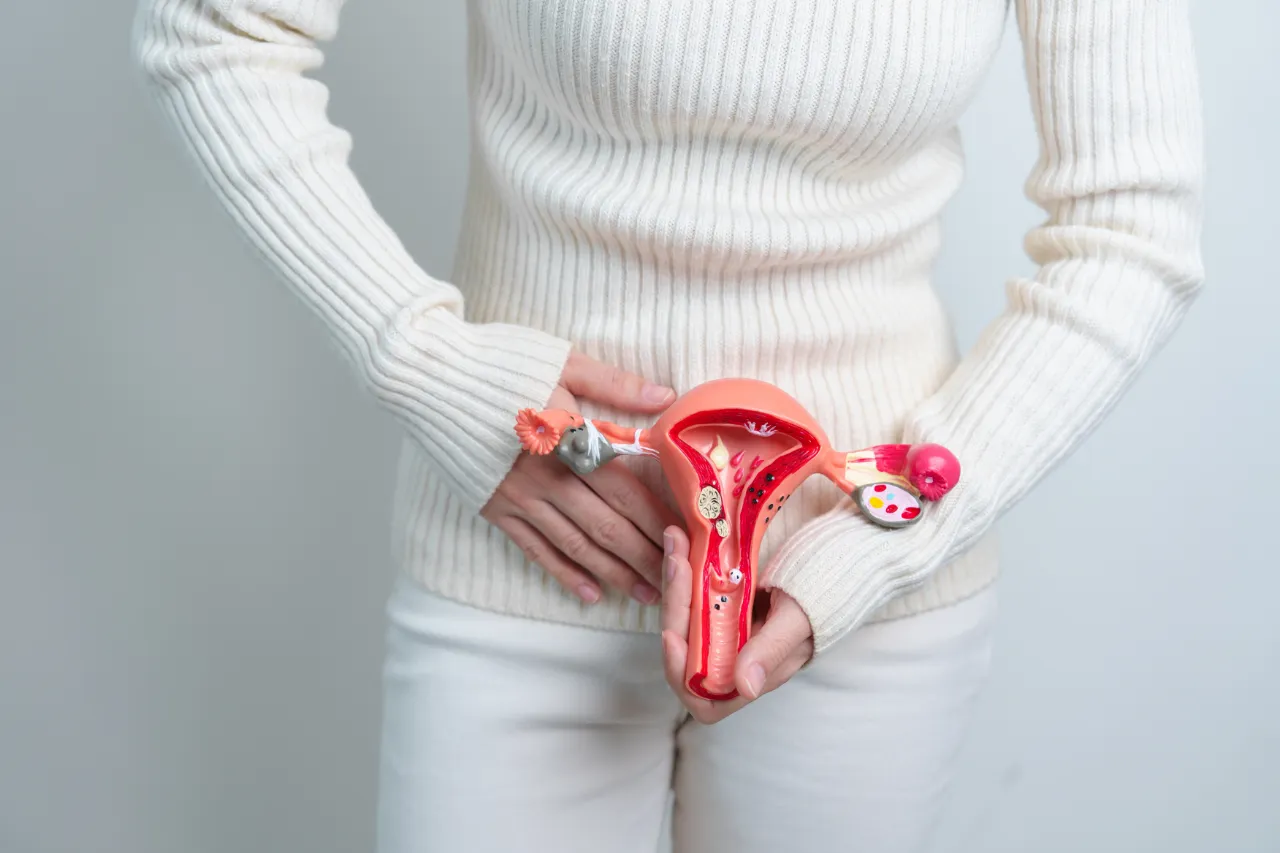
When Do Fibroids Need Treatment Instead of Just Monitoring?
When is monitoring fibroids no longer enough? Learn how worsening symptoms, fibroid changes, fertility plans and the impact on daily life can influence when it may be time to consider fibroid treatment.
Why Gynaecological Assessment Matters Even Without Symptoms
You do not need to wait for symptoms before thinking about gynaecological health. Learn how an early assessment can establish a useful baseline, keep preventive care relevant to your life stage and support informed decisions over time.
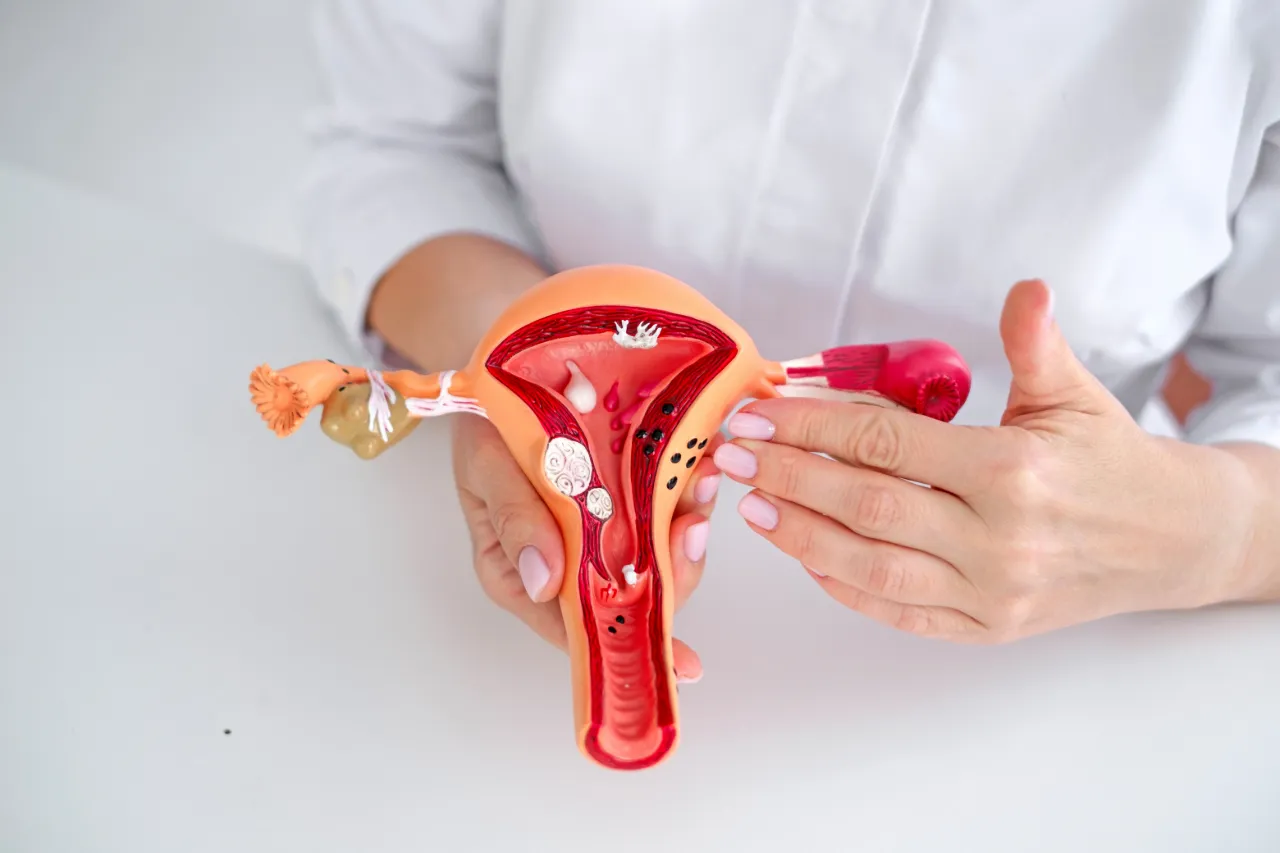
Fibroids vs. Ovarian Cysts: What’s the Difference?
Pelvic pain, bloating or changes to your periods could be linked to either fibroids or ovarian cysts. Although they may cause similar symptoms, they are different conditions. Learn how to tell them apart and when it may be worth seeking medical advice.
What Symptoms Should Prompt a Visit to a Gynae Clinic?
When does a gynaecological symptom need a routine appointment, and when could it be urgent? Learn which changes should be checked and which warning signs, such as severe pelvic pain or heavy bleeding, may require prompt medical attention.
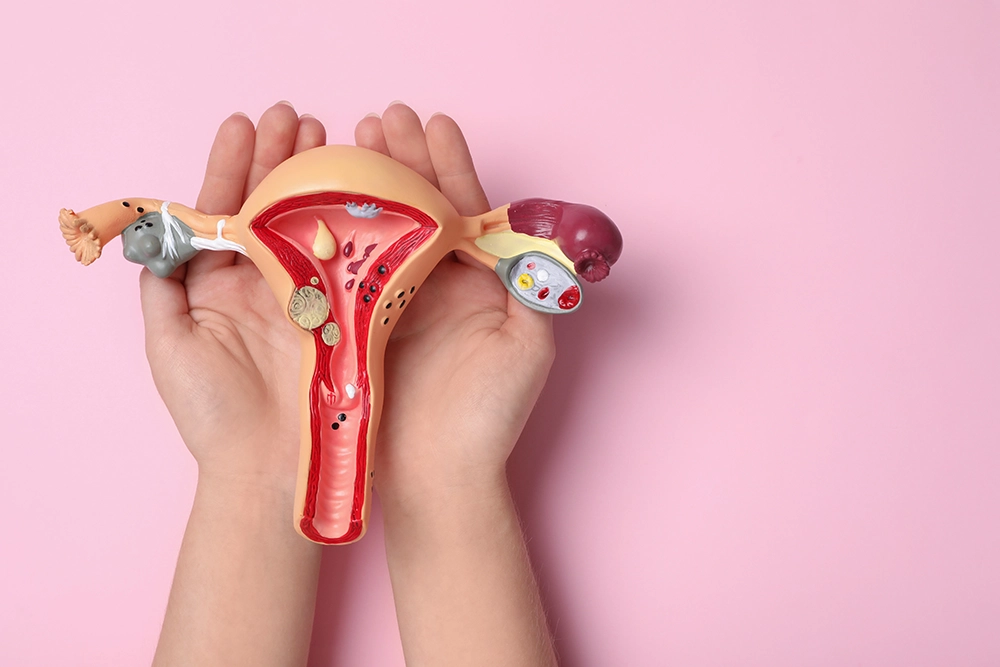
Common Myths About Uterine Fibroids
Are uterine fibroids always cancerous? Do they always cause symptoms or affect fertility? Discover the facts behind common uterine fibroid myths and learn when to seek medical advice.
Endometriosis Diet: Foods to Eat and Avoid
Could your diet be affecting your endometriosis symptoms? Learn about foods that may help reduce inflammation, foods to limit and how nutrition can support long-term symptom management and overall well-being.
Endometriosis: Common Myths vs Facts
Endometriosis is often misunderstood and can affect more than just your menstrual cycle. Learn the facts behind common myths, including symptoms outside of periods, fertility concerns, delayed diagnosis and long-term management options.
The Importance of Regular Women’s Health Check-Ups
Regular women's health check-ups can support early detection of endometriosis, fibroids and hormonal concerns. These routine screenings also give women the opportunity to discuss symptoms openly and make informed decisions about their reproductive health.
Gynaecologist vs Obstetrician: What’s the Difference?
Not sure whether to see a gynaecologist or obstetrician? Learn the key differences, when to visit each specialist and how to choose the right care for your needs at every stage of life, so that you can make informed decisions about your reproductive health today.
How Do Uterine Fibroids Affect Fertility?
Fibroids can affect fertility depending on their size and location. Learn how they may interfere with conception, implantation and pregnancy, when to seek medical advice, and how specialist care can support your journey towards a successful pregnancy.

Stages of Endometriosis Explained: What the Classifications Mean
Endometriosis is a painful condition that can progress through several stages. Learn more about what each stage indicates in terms of symptoms, diagnosis and treatment, for those who may be navigating ongoing pelvic pain or fertility concerns.
Pregnancy and Fibroids: What Expectant Mothers Should Know
Fibroids can influence pregnancy through symptoms like pain and complications such as preterm labour, placental issues and foetal positioning concerns. Learn more about how fibroids directly affect pregnancy and how they are monitored and managed for safer outcomes.
When to Start Seeing a
Gynaecologist
Not sure when you should first see a gynaecologist? From teenage years to family planning and menopause, learn when specialist care becomes important and how early support protects your long term health.
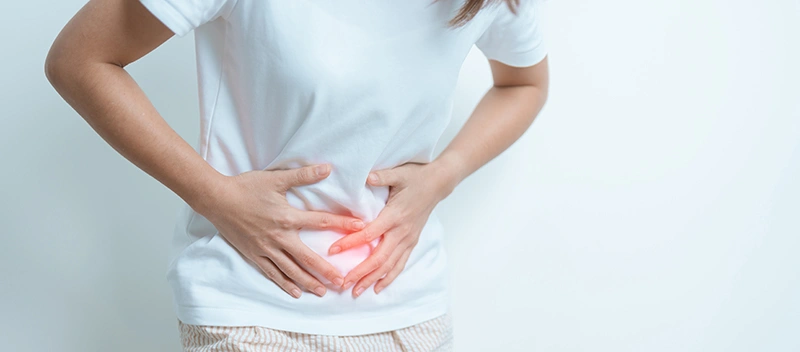
Common Gynaecological Conditions Every Woman Should Know
Heavy periods, pelvic pain or irregular cycles are not something you should ignore. Discover common gynaecological conditions, warning signs and when to seek professional care from an experienced women's health specialist.
Women’s health and well-being are our priority.
For more information or to make an appointment, please call (65) 6250 5608 or leave us a message below.
Operating Hours:
Saturday: 08:30am – 12:30pm
Sunday and Public Holiday: Closed