The Importance of Regular Women’s Health Check-Ups
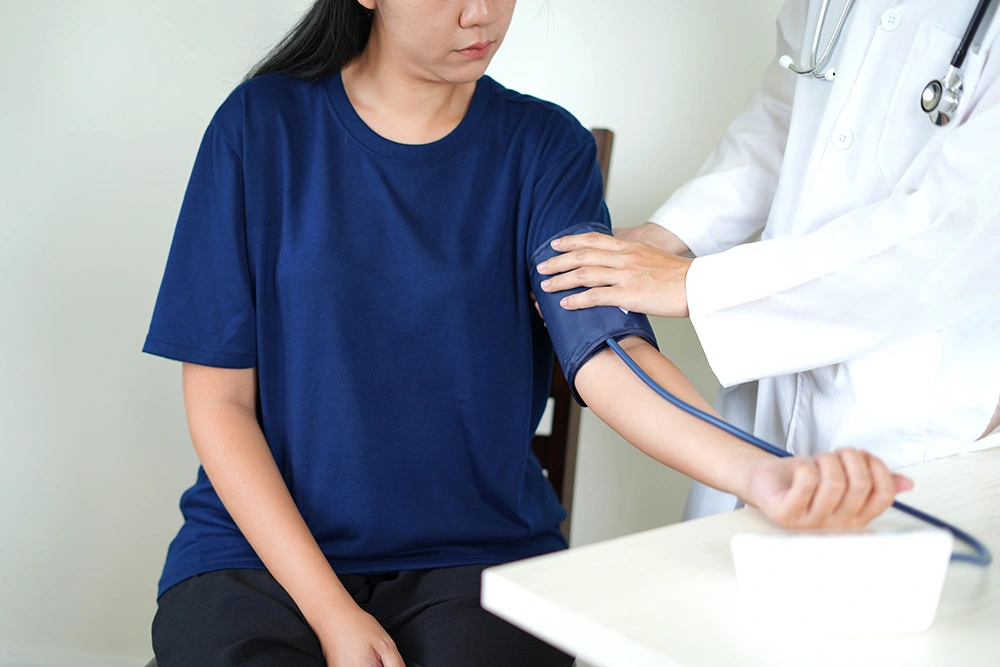

Regular women’s health screenings are not just for addressing symptoms. They are an important aspect of preventive care and have a major role to play in maintaining overall well-being and detecting potential concerns early. Consultation sessions also give women the opportunity to discuss changes or concerns openly and receive medical guidance from a specialist they can trust and feel comfortable with.
Whether it involves reproductive health, menstrual concerns or general wellness monitoring, consistent screenings can support women in making informed decisions about their health at every stage of life.
Why Regular Women’s Health Check-Ups Matter
Regular women’s health check-ups help doctors identify potential health concerns early, sometimes before noticeable symptoms appear. This can make it easier to manage certain conditions and reduce the risk of complications later on. Screenings may also help detect issues related to reproductive health, hormonal changes and breast or cervical health at an earlier stage.
Beyond screenings, regular consultations give women the opportunity to discuss any ongoing symptoms, changes in their bodies or health concerns that they may not otherwise seek treatment for. These appointments also allow doctors to provide personalised advice and recommendations based on a woman’s age, lifestyle and medical history.
Common Health Conditions That Regular Screenings Can Detect
There are certain health conditions that routine tests could help detect.
Cervical Abnormalities and Cervical Cancer
Regular Pap smears and HPV screenings can help detect abnormal cervical cell changes early, sometimes before cervical cancer develops. Early detection allows for closer monitoring and timely treatment when needed.
Breast Conditions
Breast examinations and imaging tests such as mammograms may help identify breast lumps, cysts or other abnormalities that require further assessment.
Hormonal and Menstrual Disorders
Health screenings and consultations can help identify conditions linked to hormonal imbalances, including irregular periods, polycystic ovary syndrome (PCOS) and menopause-related concerns.
Reproductive Health Conditions
Regular check-ups may help detect reproductive health conditions such as ovarian cysts, uterine fibroids and endometriosis, particularly in women experiencing pelvic pain, heavy bleeding or fertility concerns.
Chronic Health Conditions
Routine blood pressure checks, cholesterol testing and blood tests can also help identify chronic conditions such as diabetes, hypertension and high cholesterol, which may affect overall health and well-being.
What Happens During a Women’s Health Check-Up?
Women’s health check-ups are designed to provide a comfortable and supportive environment where women can openly discuss any physical changes, menstrual concerns or reproductive health questions they may have. Depending on individual needs, a check-up may involve several components to help assess overall health and identify whether further evaluation is required.
- Discussion of Symptoms and Health Concerns: The consultation usually begins with a discussion about menstrual cycles, reproductive health, lifestyle habits, medical history and any symptoms or concerns the patient may be experiencing.
- General Health Assessment: Basic health checks such as blood pressure, weight and abdominal examination may be performed to assess overall well-being and identify any noticeable concerns.
- Specialised Health Screenings: Depending on the patient’s age, risk factors and the concerns they may have expressed, screenings such as Pap smears, HPV testing or breast examinations may be recommended as part of preventive care.
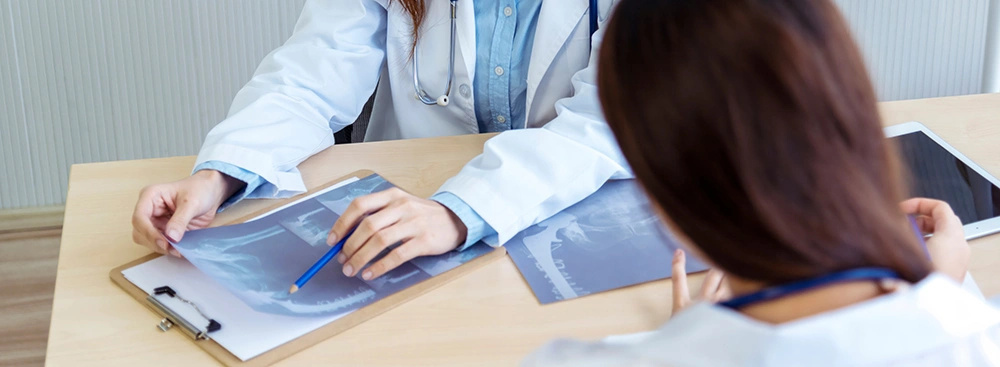
- Further Tests if Needed: Blood tests, ultrasounds, mammograms or other investigations may sometimes be advised if there are symptoms, abnormal findings or specific health concerns that require closer evaluation.
How Often Should You Go for a Health Screening?
There is no single screening schedule that applies to every woman. The frequency of women’s health check-ups can depend on age, medical history, family history and whether there are existing symptoms or health concerns that require closer monitoring.
Annual Routine Screenings
For many women, a yearly women’s health check-up is recommended as part of preventive care. These routine appointments may include general health assessments, cervical screening and discussions about menstrual, hormonal or reproductive health concerns.
More Frequent Follow-ups for Existing Conditions
Women managing conditions such as endometriosis, fibroids, ovarian cysts or PCOS may require follow-up appointments every few months, depending on symptom severity, treatment plans and whether ongoing monitoring is needed.
Earlier or Closer Screening for Higher-Risk Women
Women with a strong family history of breast cancer, ovarian cancer or other hereditary conditions may be advised to begin certain screenings earlier or attend screenings at shorter intervals, as discussed with their doctors.
Immediate Review for New Symptoms
Women experiencing symptoms such as abnormal bleeding, pelvic pain, breast changes or persistent menstrual irregularities should arrange a consultation as soon as possible rather than waiting for their next scheduled screening.
Supporting Women’s Health with Consistent and Compassionate Care
Consistent screenings allow women to take a more proactive approach towards their health at every stage of life. Having access to a reliable, trusted doctor for medical advice can also make a meaningful difference when symptoms begin to trouble your daily activities. Through regular consultations and support, women may be able to obtain the space, opportunity and confidence to speak openly about symptoms, physical changes or concerns that they may otherwise hesitate to discuss.
At The Wei-Wei Clinic for Women, we believe women should feel comfortable discussing symptoms that affect their daily life, menstrual health or overall well-being. Senior Consultant Obstetrician & Gynaecologist Dr Wei-Wei Wee-Stekly provides personalised care in a supportive environment where patients are listened to with care and understanding. By creating a space for open and honest conversations, Dr Wei-Wei helps women better understand their symptoms and make informed decisions about their health.
Whether you are experiencing pelvic pain, heavy periods, menstrual irregularities or would simply like to stay proactive about your health, contact us to arrange a consultation and take the next step towards better long-term well-being.
Meet Our Gynaecologist in Singapore
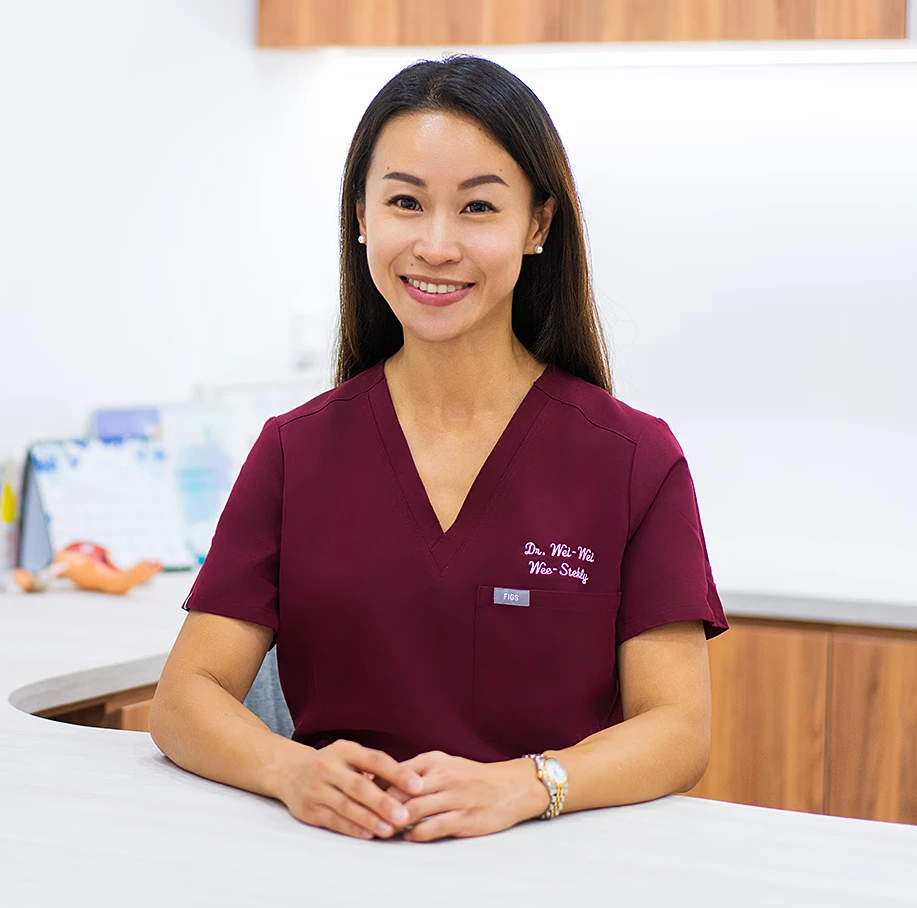
Dr. Wei-Wei Wee-Stekly is a senior consultant obstetrician and gynaecologist with extensive experience in women's health at every stage of life. She earned her Bachelor of Medicine and Bachelor of Surgery from Guy's, King's and St Thomas' School of Medicine at King's College London in 2003. Dr. Wee-Stekly went on to achieve her MRCOG in the United Kingdom and a Master of Medicine in Obstetrics and Gynaecology in Singapore. She is a Fellow of the Royal College of Obstetricians and Gynaecologists in the United Kingdom and a Fellow of the Academy of Medicine, Singapore.
More About Dr Wei-WeiWomen’s health and well-being are our priority.
For more information or to make an appointment, please call (65) 6250 5608 or leave us a message below.
Operating Hours:
Saturday: 08:30am – 12:30pm
Sunday and Public Holiday: Closed