Fibroids vs. Ovarian Cysts: What’s the Difference?
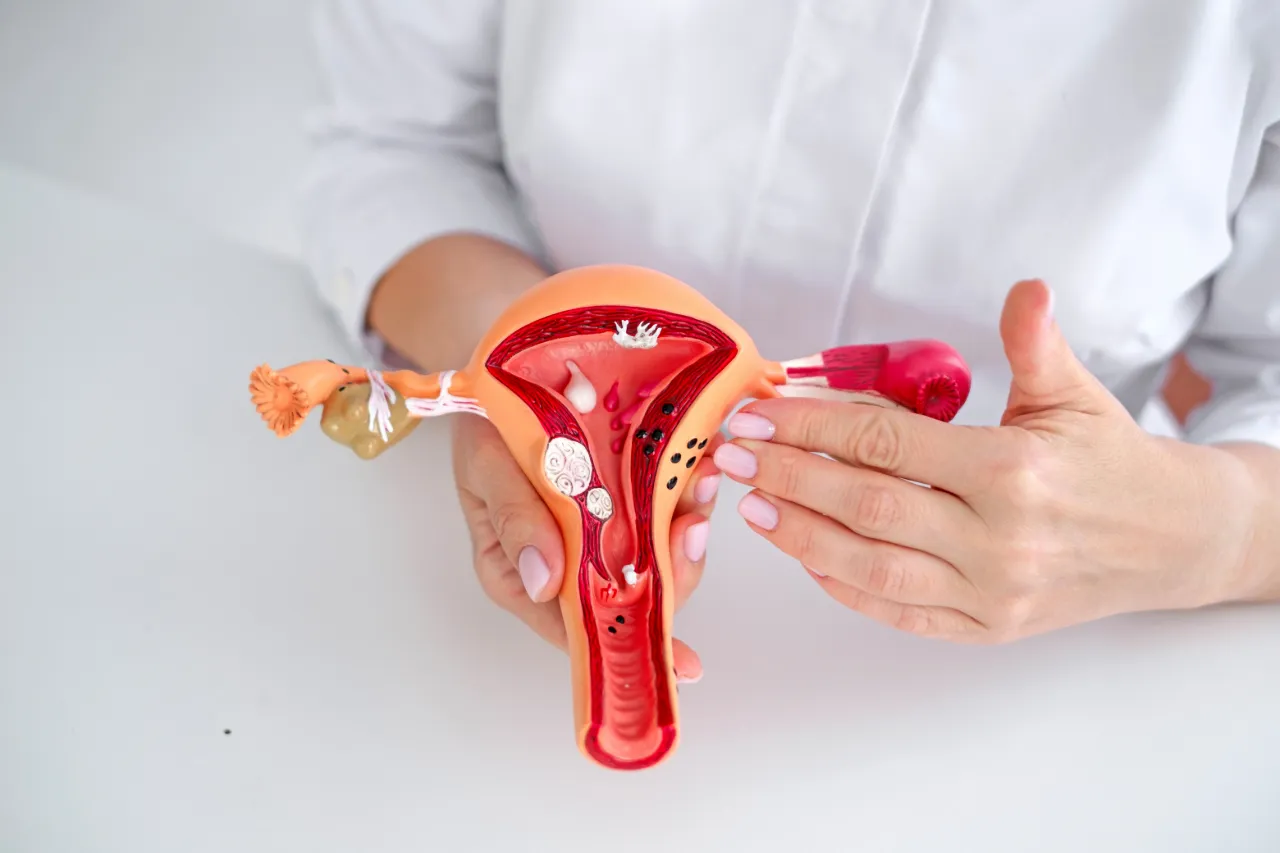

Pelvic discomfort, heavier periods, bloating and a feeling of pressure in the lower abdomen can have many possible causes. Two conditions that patients sometimes attribute these symptoms to are fibroids and ovarian cysts. Although both can affect the reproductive system and may produce overlapping symptoms, they develop in different places and are made from different types of tissue.
However, symptoms alone cannot reliably confirm whether you have fibroids, an ovarian cyst or another gynaecological condition, which is why an appropriate medical evaluation is important.
What Are Fibroids and Ovarian Cysts?
Fibroids and cysts are both structural growths that commonly occur within the female reproductive system, but they are different in both composition and the areas of the reproductive system they affect.
Fibroids
Uterine fibroids are growths composed mainly of smooth muscle cells and fibrous connective tissue. They develop within the uterus, on its outer surface or into the uterine cavity. Fibroids are benign, meaning they are not cancerous, and they can vary considerably in number, size and location.
Depending on where a fibroid develops, it may be described as:
- Intramural, growing within the muscular wall of the uterus
- Submucosal, growing towards or into the uterine cavity
- Subserosal, growing towards the outside of the uterus
Some patients have just one fibroid, while others may have several.
Ovarian Cysts
An ovarian cyst is a sac containing fluid that develops within or on an ovary. Many ovarian cysts are related to the normal menstrual cycle. For example, a functional cyst can develop when a follicle containing an egg does not progress through its usual cycle as expected.
Many cysts are benign and disappear without treatment. However, different types of ovarian cysts exist, and their significance depends on factors such as their appearance, size, symptoms and the patient's age.
In simple terms, fibroids are predominantly solid uterine growths, while ovarian cysts are usually fluid-filled structures involving the ovaries.
How Do Symptoms of Fibroids and Ovarian Cysts Differ?
Because pelvic pain, pressure and menstrual changes can occur with both conditions, differences in the pattern and severity of symptoms can provide useful clues during an assessment.
Common Fibroid Symptoms
Fibroid symptoms can include heavy or prolonged periods, painful menstruation, pelvic pressure, lower abdominal discomfort, frequent urination, constipation and pain during intercourse. Some fibroids do not cause any symptoms and may only be discovered during a routine examination or imaging test.
Heavy menstrual bleeding can be particularly associated with certain types of fibroids. When bleeding becomes significant or prolonged, some patients can also develop iron-deficiency anaemia and experience tiredness or weakness.
Common Ovarian Cyst Symptoms
Ovarian cysts are also frequently symptom-free. When symptoms do occur, they may include pelvic or abdominal discomfort, bloating or fullness, pain during intercourse and changes in menstrual bleeding.
A cyst can sometimes cause more sudden symptoms if it ruptures or if the ovary twists, known as ovarian torsion. Sudden severe pelvic or abdominal pain, particularly when accompanied by nausea or vomiting, warrants urgent medical attention.
Because symptoms such as pelvic pain, pressure and changes to menstruation can occur with several gynaecological conditions, the pattern of symptoms provides useful information but cannot provide a diagnosis on its own.
How Do Doctors Tell Whether You Have Fibroids or a Cyst?
If your symptoms suggest a pelvic condition, your doctor will usually begin by discussing your menstrual history, the nature and location of your symptoms, how long they have been present and whether they are affecting your daily activities.
Pelvic Examination
A pelvic examination allows your doctor to check for physical changes that could suggest a fibroid or ovarian cyst. For example, it may identify an enlarged or irregularly shaped uterus or a pelvic mass. However, an examination alone usually cannot confirm what the growth is or where it originates.
Ultrasound
Ultrasound is frequently used to investigate both fibroids and ovarian cysts. It allows your doctor to examine the uterus and ovaries, determine where a growth is located and assess characteristics such as its size and whether it appears solid or fluid-filled.
These findings can help distinguish fibroids arising from the uterus from cysts affecting the ovaries and provide information that can guide further assessment or treatment.
Further Tests
Further tests may occasionally be appropriate depending on the ultrasound findings, your symptoms, age and individual circumstances. These can provide additional information when the nature of a growth is unclear or further assessment is needed before deciding on treatment.
An accurate diagnosis helps doctors determine whether observation, further assessment or treatment is the most appropriate next step.
How Treatment May Differ
Treatment is similarly personalised. Fibroids that are not causing troublesome symptoms may simply be monitored, while symptomatic fibroids can be treated using medications or procedures, including surgical and minimally invasive options.
Many uncomplicated ovarian cysts also resolve without intervention and can be monitored. Other cysts may require closer investigation or treatment because of their size, appearance, persistence or associated symptoms.
Seeking Gynaecological Assessment and Care for Both Fibroids and Cysts
As fibroids and ovarian cysts can cause similar symptoms, it can be difficult to determine which condition may be responsible based on your symptoms alone. A gynaecological assessment can provide greater clarity about the underlying cause and whether any monitoring or treatment is needed.
At The Wei-Wei Clinic for Women, Senior Consultant Obstetrician & Gynaecologist Dr Wei-Wei Wee-Stekly provides personalised assessment and care for women with fibroids, ovarian cysts and other gynaecological concerns. She considers your symptoms, medical history and relevant examination or imaging findings to understand how the condition is affecting you and guide an appropriate approach to care.
If you have noticed persistent or unusual changes in your periods or pelvic health, you can arrange a consultation with us for further assessment and guidance on your next steps.
Frequently Asked Questions About Fibroids and Ovarian Cysts
Meet Our Doctor

Dr Wei-Wei Wee-Stekly is a senior consultant obstetrician and gynaecologist with extensive experience in women's health at every stage of life. She earned her Bachelor of Medicine and Bachelor of Surgery from Guy's, King's and St Thomas' School of Medicine at King's College London in 2003. Dr Wee-Stekly went on to achieve her MRCOG in the United Kingdom and a Master of Medicine in Obstetrics and Gynaecology in Singapore. She is a Fellow of the Royal College of Obstetricians and Gynaecologists in the United Kingdom and a Fellow of the Academy of Medicine, Singapore.
More About Dr Wei-WeiWomen’s health and well-being are our priority.
For more information or to make an appointment, please call (65) 6250 5608 or leave us a message below.
Operating Hours:
Saturday: 08:30am – 12:30pm
Sunday and Public Holiday: Closed