Common Myths About Uterine Fibroids
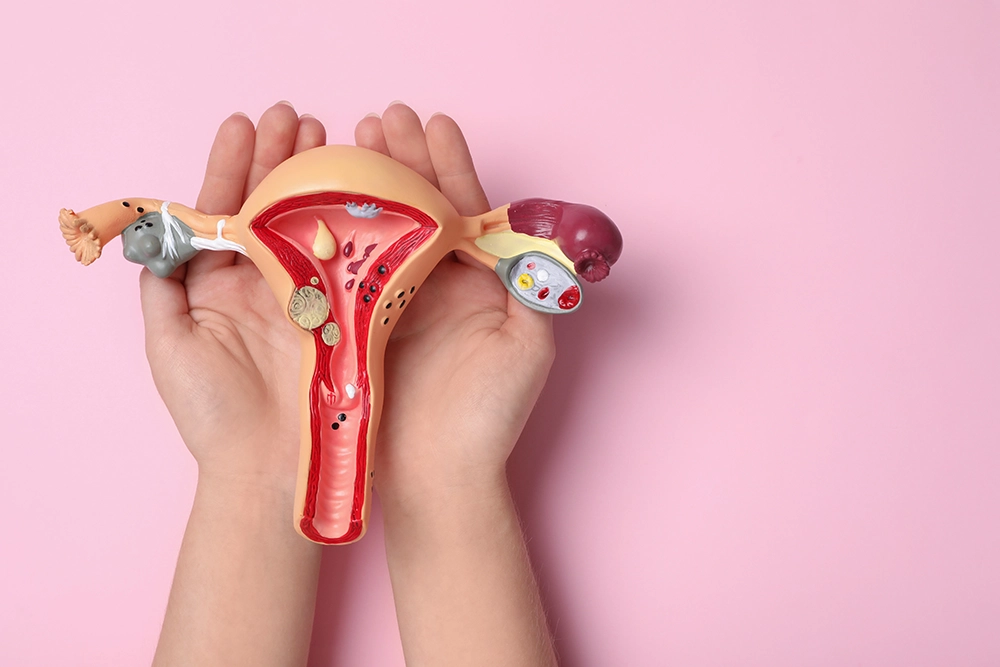

Uterine fibroids are among the most common non-cancerous growths affecting women yet misconceptions about them remain widespread. From concerns about cancer and fertility to assumptions that surgery is always necessary, these myths can create unnecessary anxiety and prevent women from seeking appropriate care.
In reality, fibroids can vary greatly in size, symptoms and impact on overall health, meaning that every woman's experience is unique. Debunking some of the most common myths about uterine fibroids can help women take charge of their reproductive health with confidence.
Why Are Myths About Uterine Fibroids So Common?
Uterine fibroids develop from the muscular wall of the uterus and vary in size, number and location. While many women may develop uterine fibroids at some point in their lives, awareness and understanding of the condition often vary significantly.
As fibroids can present in many ways, from being completely asymptomatic to causing significant symptoms, misunderstandings about the condition are common. Understanding the facts can help women make informed decisions about their reproductive health.
Myth #1: Uterine Fibroids Are Always Cancerous
A diagnosis of uterine fibroids can be concerning and many women worry that the growths are cancerous.
Fact: Most Uterine Fibroids Are Benign Growths
The vast majority of uterine fibroids are benign, meaning they are non-cancerous and do not increase the risk of uterine cancer. Fibroids are different from cancer and develop from the uterus’s smooth muscle tissue.
Many fibroids grow slowly or remain stable and may not require treatment if they do not cause symptoms. While rare cancerous uterine tumours can occur, they are generally considered separate conditions and are not thought to arise from existing fibroids. Regular follow-up with a gynaecologist can help monitor the condition and guide appropriate care.
Myth #2: Uterine Fibroids Always Cause Symptoms
Uterine fibroids are often linked to heavy menstrual bleeding and pelvic discomfort, leading many to assume all women will have symptoms. However, many women only discover fibroids during routine check-ups or imaging tests.
Fact: Many Women with Uterine Fibroids Have No Symptoms
The effects of uterine fibroids vary widely from one woman to another. Some may experience heavy bleeding, pelvic pain, pressure or frequent urination, while others have no symptoms at all. The size, type and location of fibroids influence whether symptoms occur.
Many women live with fibroids without any significant impact on their daily activities or overall quality of life. For women without symptoms, periodic monitoring is often sufficient. Management should be tailored to the severity of symptoms and personal health goals.
Myth #3: Uterine Fibroids Only Affect Older Women
Uterine fibroids are often linked to women nearing menopause, leading younger women to think they are not at risk.
Fact: Uterine Fibroids Can Develop During the Reproductive Years
While fibroids are most commonly diagnosed between ages 30 and 50, they can occur earlier, especially in women with risk factors such as family history or hormonal influences.
Younger women should not ignore symptoms such as heavy periods, pelvic pressure or frequent urination, particularly if they are also experiencing difficulty conceiving. Symptoms and treatment needs can vary considerably from one woman to another.
If you experience persistent symptoms, it is important to seek medical advice early to ensure proper diagnosis and management.
Myth #4: Surgery Is the Only Treatment Option for Uterine Fibroids
Many women believe that a diagnosis of uterine fibroids means surgery is inevitable, which can cause unnecessary worry.
Fact: There Are Multiple Treatment Options Available
Treatment depends on factors such as fibroid size, location, symptoms, age and future pregnancy plans. Not all uterine fibroids require treatment, and some can be safely monitored if they are small and symptom-free.
For symptomatic cases, options include medications to manage bleeding or discomfort and minimally invasive procedures to shrink or remove fibroids while preserving the uterus. Surgery may be recommended in more severe cases, but it is not always necessary.
A gynaecologist can help determine the most suitable treatment based on your individual needs.
Myth #5: Women with Uterine Fibroids Cannot Get Pregnant
As uterine fibroids can sometimes be linked to fertility issues, many women assume they cannot conceive, which can cause unnecessary stress especially for those planning a family.
Fact: Many Women with Uterine Fibroids Have Successful Pregnancies
Uterine fibroids may affect fertility in some cases, but they do not automatically prevent pregnancy. Whether fibroids affect fertility largely depends on where they develop within the uterus, as some fibroids may interfere with implantation while others have little to no effect on fertility.
Many women with fibroids conceive naturally and have healthy pregnancies. Women planning a pregnancy may benefit from a fertility assessment to determine whether fibroids are affecting conception.
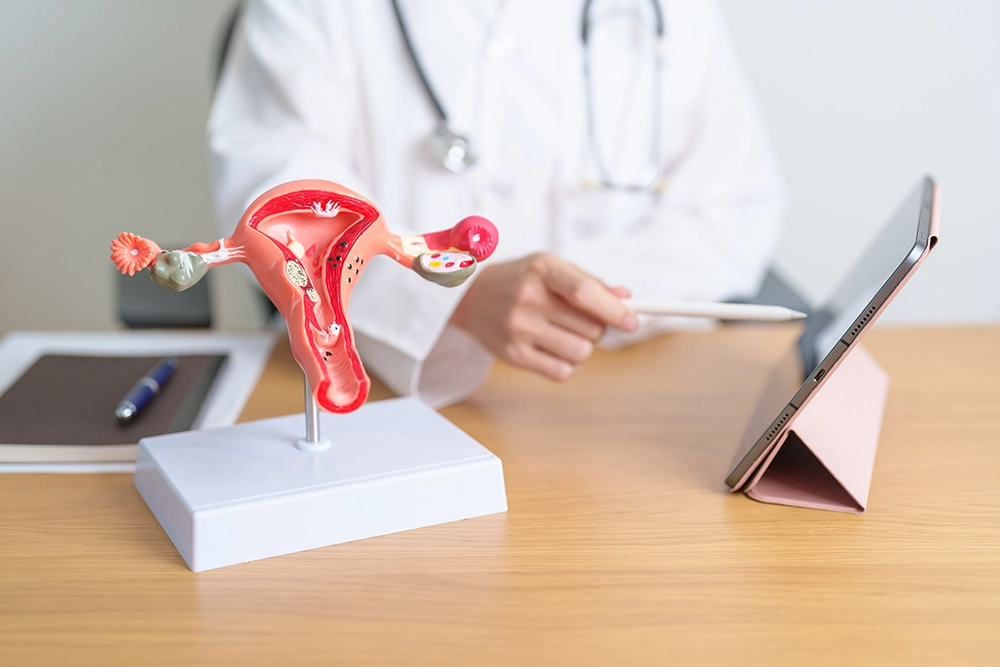
When Should You Seek Professional Advice for Uterine Fibroids?
Many women may not realise they have uterine fibroids until symptoms appear or are found during a routine check. Many fibroids can be safely monitored, but medical review is important when symptoms persist or worsen.
Consider seeing a gynaecologist if you experience:
- Heavy menstrual bleeding
- Pelvic pain or pressure
- Urinary or bowel problems
- Abdominal bloating
- Pain during intercourse
- Difficulty conceiving
Since symptoms of uterine fibroids can overlap with other conditions, an accurate diagnosis is important. A gynaecologist can assess your condition and recommend suitable treatment based on your needs.
Making Sense of Uterine Fibroids with Dr Wei-Wei Wee-Stekly
Misinformation about uterine fibroids can cause unnecessary worry and confusion. As every woman's experience with fibroids is different, understanding the facts is essential for recognising symptoms early, evaluating treatment options confidently and making informed decisions about current and future reproductive health.
At The Wei-Wei Clinic for Women, we support women with personalised care for uterine fibroids, from diagnosis and monitoring to treatment when needed. Our senior consultant obstetrician & gynaecologist, Dr Wei-Wei Wee-Stekly, provides personalised care tailored to each patient's circumstances. If you have concerns about uterine fibroids or are experiencing symptoms, book an appointment for a comprehensive evaluation and personalised treatment plan.
FAQs About Uterine Fibroids Myths
Meet Our Uterine Fibroids Specialist in Singapore
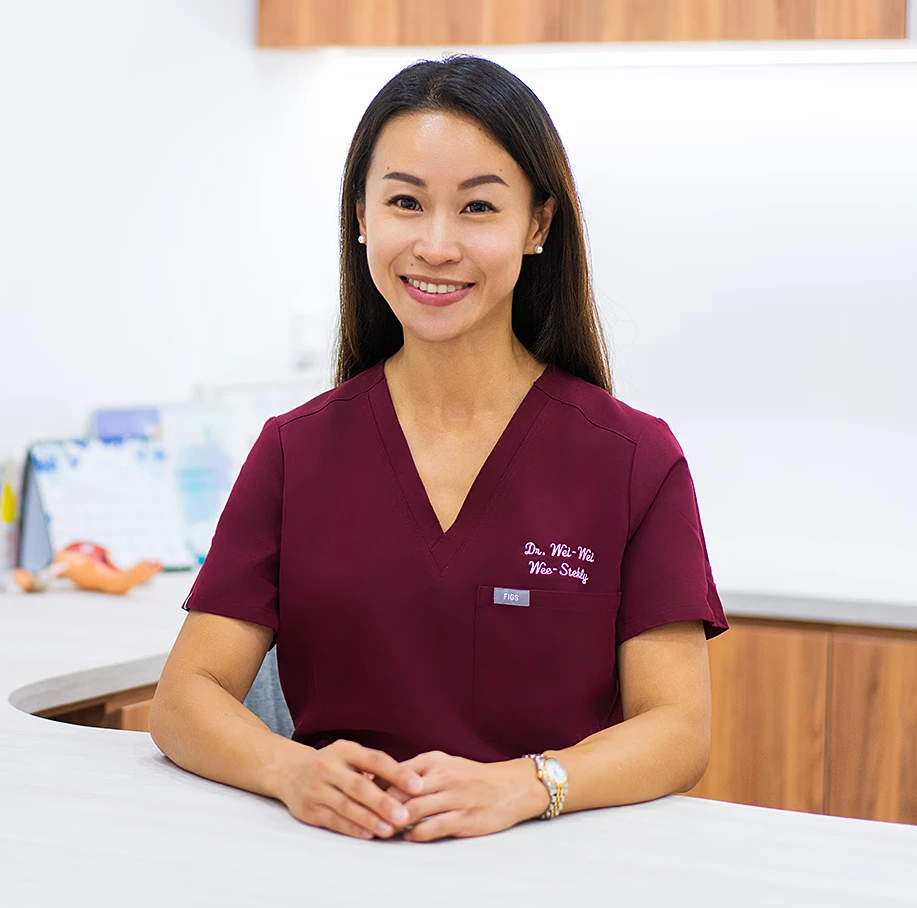
Dr. Wei-Wei Wee-Stekly is a senior consultant obstetrician and gynaecologist with extensive experience in women's health at every stage of life. She earned her Bachelor of Medicine and Bachelor of Surgery from Guy's, King's and St Thomas' School of Medicine at King's College London in 2003. Dr. Wee-Stekly went on to achieve her MRCOG in the United Kingdom and a Master of Medicine in Obstetrics and Gynaecology in Singapore. She is a Fellow of the Royal College of Obstetricians and Gynaecologists in the United Kingdom and a Fellow of the Academy of Medicine, Singapore.
Women’s health and well-being are our priority.
For more information or to make an appointment, please call (65) 6250 5608 or leave us a message below.
Operating Hours:
Saturday: 08:30am – 12:30pm
Sunday and Public Holiday: Closed