Endometriosis Diet: Foods to Eat and Avoid
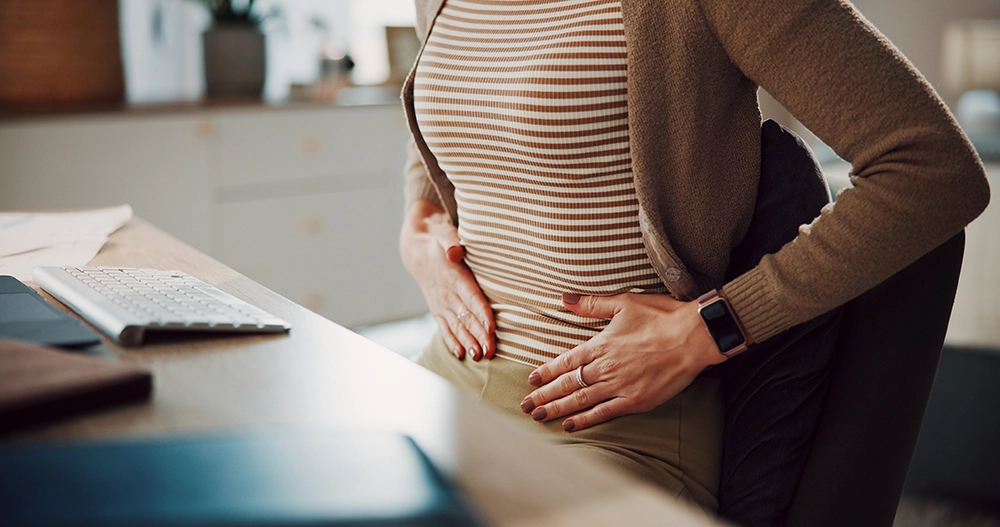
Endometriosis affects millions of women worldwide, often causing chronic pelvic pain, painful periods, bloating, fatigue and fertility challenges that can significantly impact daily life. While medical treatment remains the cornerstone of endometriosis management, growing research suggests that dietary choices may also influence inflammation, hormone balance and symptom severity. As part of a holistic approach to care, nutrition can complement medical treatment and support overall well-being.
Understanding the relationship between endometriosis and diet can help women make informed lifestyle choices that support symptom management and overall health. Learning which foods may support symptom relief and which may worsen symptoms is an important step towards developing a comprehensive long-term endometriosis management plan.
Understanding the Link Between Endometriosis and Diet
Endometriosis is a chronic condition in which tissue similar to the lining of the uterus grows outside the uterus, commonly affecting the ovaries, fallopian tubes and pelvic tissues.
Common symptoms may include:
- Severe menstrual cramps
- Chronic pelvic pain
- Bloating
- Fatigue
- Fertility difficulties in some cases
While the exact cause of endometriosis remains unclear, inflammation and hormonal imbalances are believed to contribute to symptom development and progression. As a result, diet has gained attention as a complementary management strategy. Certain foods may help reduce inflammation and support hormonal balance, while others may worsen symptoms.
Although dietary changes cannot cure endometriosis, informed food choices may help improve symptom control and support quality of life alongside medical treatment and other management strategies.
Best Foods to Eat for Managing Endometriosis Symptoms
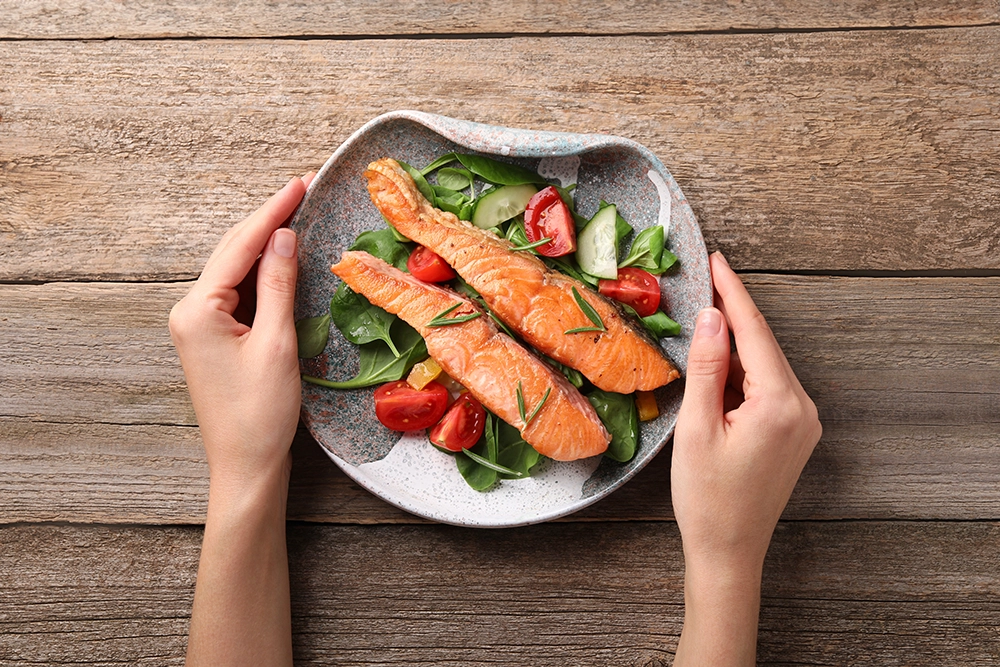
A balanced, nutrient-rich diet may help support women living with endometriosis by reducing inflammation and promoting hormonal balance. Incorporating the right foods into your daily meals can play a supportive role in managing symptoms and improving long-term health.
Key food groups include:
Omega-3 Rich Foods
- Examples: Salmon, sardines and walnuts
- These foods are known for their anti-inflammatory properties and may help alleviate endometriosis-related discomfort
Fruits and Vegetables
- Examples: Leafy greens, berries, broccoli and cauliflower
- They are rich in antioxidants and essential nutrients that support overall health and help combat inflammation
Whole Grains and Fibre-Rich Foods
- Examples: Brown rice, oats and legumes
- These foods may support healthy oestrogen metabolism which is relevant as endometriosis is influenced by hormonal factors
Regardless of the stage of endometriosis, healthy dietary habits can support long-term symptom management, reduce inflammation and complement medical treatment. While dietary needs vary between individuals, incorporating a variety of nutrient-dense foods may help women manage the impact of symptoms on daily activities.
Foods to Avoid If You Have Endometriosis
While there is no single diet that causes or cures endometriosis, certain foods may contribute to increased inflammation and potentially worsen symptoms in some women.
Foods that some women may benefit from limiting include:
- Processed foods
- Sugary snacks and beverages
- Fast food
- Red or processed meats
- Fried foods
- Trans fat-rich foods
Some women with endometriosis may also find that limiting alcohol and excessive caffeine intake helps reduce symptom flare-ups. As dietary triggers can vary from person to person, it can be helpful to monitor your symptoms and identify any foods that seem to aggravate your endometriosis. Working with a healthcare professional can also help you develop a balanced eating plan that supports your individual needs.
Building an Endometriosis-Friendly Diet with Dr Wei-Wei Wee-Stekly
Endometriosis management often involves multiple strategies tailored to an individual's symptoms, lifestyle and reproductive goals. While there is no universal endometriosis diet, making thoughtful dietary choices may help support long-term health and complement other aspects of endometriosis management. Incorporating nutrient-dense foods such as fruits, vegetables, whole grains and omega-3-rich foods while limiting highly processed foods, excessive sugar and trans fats may support day-to-day comfort and overall well-being. Tracking symptoms and discussing dietary concerns with a healthcare professional can help guide appropriate nutritional choices.
At The Wei-Wei Clinic for Women, we are committed to supporting women at every stage of their endometriosis journey, from diagnosis and symptom management to fertility planning and long-term care. Our senior consultant obstetrician & gynaecologist, Dr Wei-Wei Wee-Stekly, provides personalised care tailored to each patient's circumstances and works closely with women to develop holistic management strategies that support their overall health and quality of life. Book an appointment for a comprehensive evaluation and customised treatment plan.
FAQs About Managing Diet with Endometriosis
Meet Our Endometriosis Specialist in Singapore
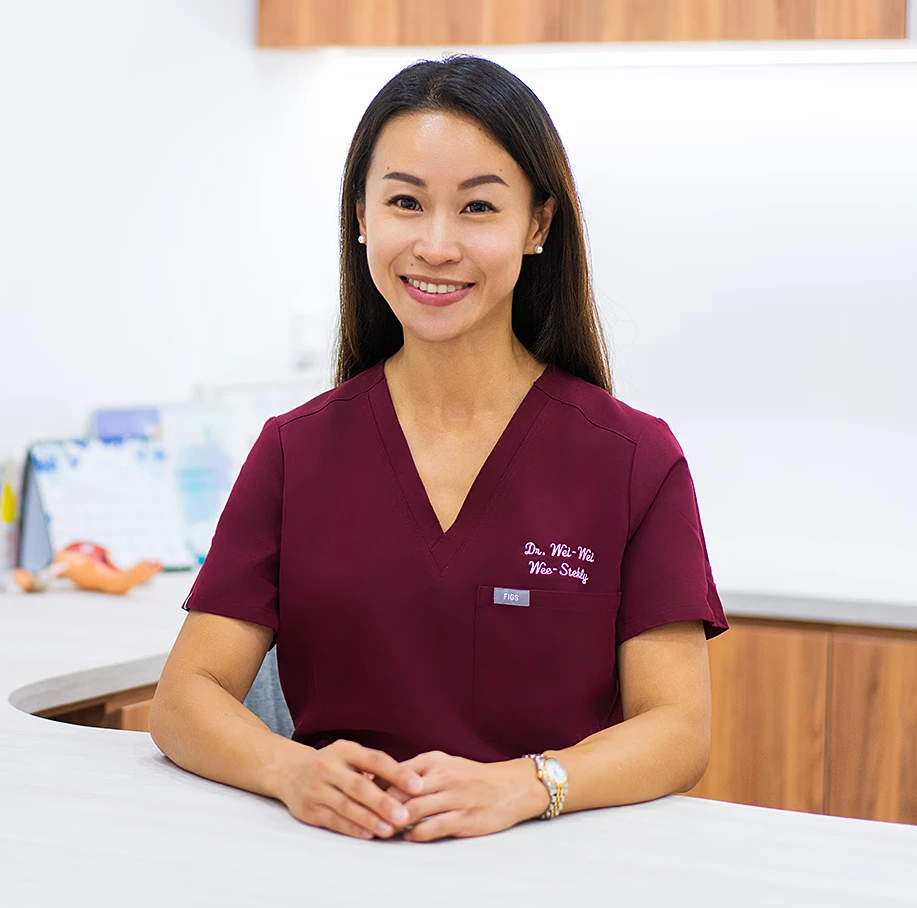
Dr. Wei-Wei Wee-Stekly is a senior consultant obstetrician and gynaecologist with extensive experience in women's health at every stage of life. She earned her Bachelor of Medicine and Bachelor of Surgery from Guy's, King's and St Thomas' School of Medicine at King's College London in 2003. Dr. Wee-Stekly went on to achieve her MRCOG in the United Kingdom and a Master of Medicine in Obstetrics and Gynaecology in Singapore. She is a Fellow of the Royal College of Obstetricians and Gynaecologists in the United Kingdom and a Fellow of the Academy of Medicine, Singapore.
Women’s health and well-being are our priority.
For more information or to make an appointment, please call (65) 6250 5608 or leave us a message below.
Operating Hours:
Saturday: 08:30am – 12:30pm
Sunday and Public Holiday: Closed