When Do Fibroids Need Treatment Instead of Just Monitoring?
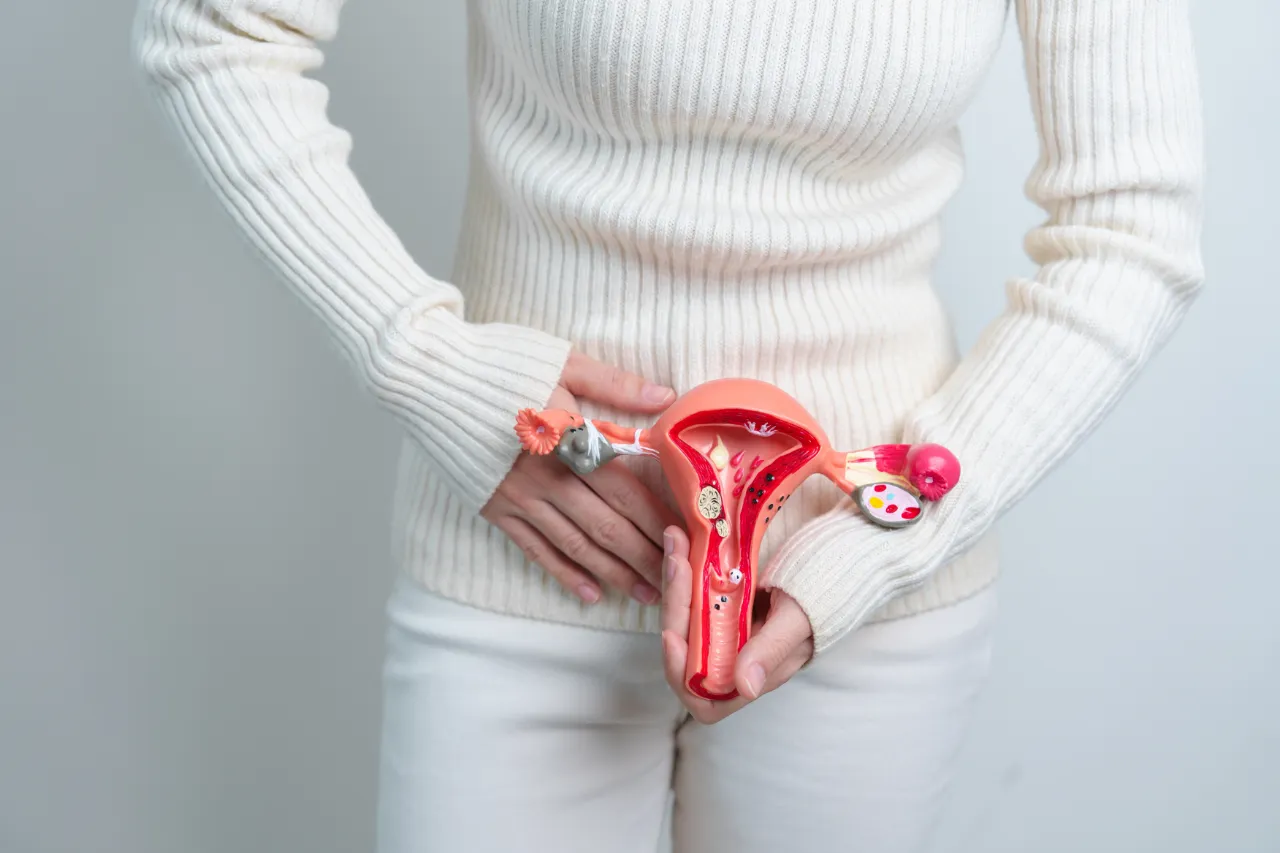

Uterine fibroids are benign growths that often develop during the reproductive years. According to SingHealth, more than 50% of women have one or more fibroids by age 40. Having a fibroid does not automatically mean that you need treatment. Many fibroids cause few or no symptoms, and may only require monitoring.
However, fibroids can sometimes cause heavy bleeding, pain or other problems that begin to affect your health and daily life. When symptoms become troublesome or other concerns arise, monitoring alone may no longer be sufficient and treatment may need to be considered. Understanding these factors can help you recognise when it may be worth discussing treatment with your doctor.
When Is Monitoring Uterine Fibroids Appropriate?
Monitoring may be suitable when uterine fibroids are not causing significant symptoms or complications. In these situations, the aim is not to ignore the fibroids, but to observe whether anything changes over time.
When Symptoms Are Mild or Absent
Some fibroids are found incidentally during a pelvic examination or ultrasound performed for another reason. If they are not causing troublesome bleeding, persistent pain, pressure symptoms or other concerns, immediate treatment may not be necessary.
This is particularly relevant when symptoms are stable and daily activities are unaffected. Fibroids also often shrink after menopause, so age and proximity to menopause may influence whether continued observation is reasonable.
When Fibroids Remain Stable Over Time
Monitoring may continue to be appropriate when there are no meaningful changes in your symptoms over multiple assessments. Your gynaecologist may review how you have been feeling and, when appropriate, use an ultrasound to assess factors such as fibroid size and location.
What Changes May Mean Fibroids Need Treatment?
The point at which treatment becomes appropriate is usually when fibroids start creating a meaningful health problem or affecting quality of life. The change may be gradual rather than sudden.
Heavy Bleeding or Anaemia
Heavy or prolonged menstrual bleeding is one of the main reasons fibroid treatment may be considered. Repeated blood loss can lead to iron-deficiency anaemia, which may cause tiredness, weakness, shortness of breath or reduced ability to manage normal activities.
Increasing Pain or Pressure
Fibroids can cause pelvic heaviness, cramping, lower abdominal discomfort or pressure. As fibroids enlarge or change position, they may also press on nearby structures.
This can contribute to urinary frequency, difficulty emptying the bladder, constipation or a persistent feeling of fullness. When pressure or pain becomes difficult to manage, interferes with sleep or restricts normal activities, it may be worth reassessing whether monitoring is still appropriate.
Symptoms That Are Changing Rather Than Staying Stable
A fibroid that has been manageable for years may deserve reassessment if symptoms become noticeably different. Examples include periods becoming progressively heavier, new pelvic pressure or increasing discomfort.
What Else Can Influence Whether Fibroids Need Treatment?
Symptoms are important, but they are not the only consideration. Two people with fibroids of a similar size may receive different recommendations because the fibroids are located differently or because their health priorities are not the same.
Fibroid Size and Location
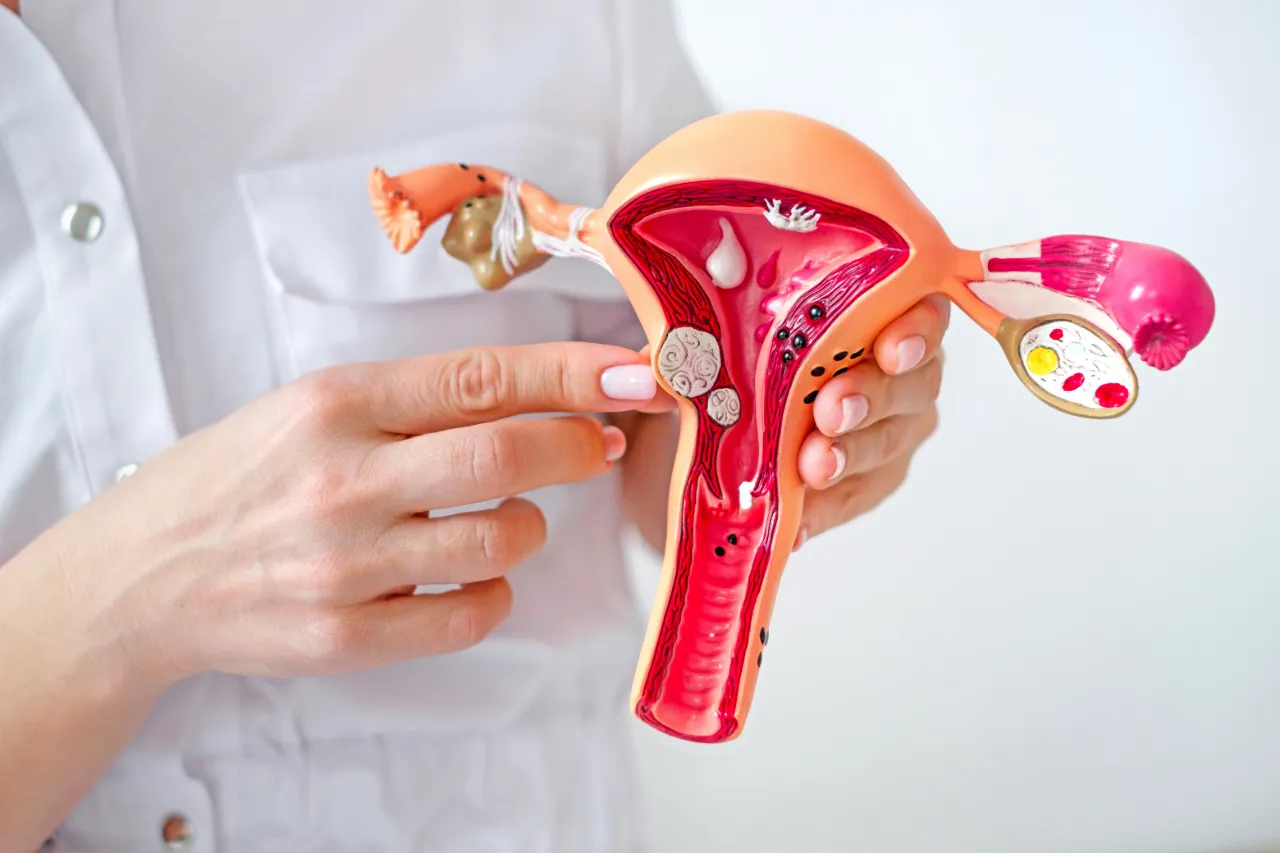
Size alone does not determine whether treatment is necessary. A relatively small fibroid that grows into the uterine cavity may contribute to troublesome bleeding or interfere with fertility, while a larger fibroid elsewhere may cause few symptoms.
The number and location of fibroids can also influence which treatment approaches are technically suitable. For patients considering fibroid treatment in Singapore, factors such as symptoms, size, location and personal circumstances may all form part of the assessment.
Whether You Are Planning a Pregnancy
Plans for pregnancy can be an important part of deciding whether a fibroid should continue to be monitored or treated. Some fibroids, particularly those that affect the uterine cavity, can interfere with fertility or pregnancy depending on their size and location.
If you are planning to conceive, your gynaecologist can assess whether your fibroids are likely to affect your reproductive plans and whether treatment should be considered beforehand. The choice of treatment also needs to take future fertility into account, as different approaches can have different implications for the uterus.
For women who are not planning a future pregnancy, the balance may be different. Treatment decisions can focus more closely on symptom control, the impact of the fibroids on daily life and whether previous treatment has provided sufficient relief.
Moving From Fibroid Monitoring to Treatment at Wei-Wei Clinic for Women
Fibroid management should reflect how the condition is affecting your health, as well as factors such as the fibroids themselves and your plans for pregnancy. If there are reasons to reconsider monitoring, a gynaecological assessment can help clarify the treatment options available to you.
At The Wei-Wei Clinic for Women, patients receive personalised care for uterine fibroids in a private and supportive setting. Care is led by Senior Consultant Obstetrician & Gynaecologist Dr Wei-Wei Wee-Stekly, who has a special interest in minimally invasive gynaecological surgery and provides thorough assessments, clear medical advice and care tailored to each patient.
If you have concerns about your fibroids or would like to discuss whether treatment may be appropriate, you can contact us today to arrange a consultation.
Frequently Asked Questions
Meet Our Doctor

Dr Wei-Wei Wee-Stekly is a senior consultant obstetrician and gynaecologist with extensive experience in women's health at every stage of life. She earned her Bachelor of Medicine and Bachelor of Surgery from Guy's, King's and St Thomas' School of Medicine at King's College London in 2003. Dr Wee-Stekly went on to achieve her MRCOG in the United Kingdom and a Master of Medicine in Obstetrics and Gynaecology in Singapore. She is a Fellow of the Royal College of Obstetricians and Gynaecologists in the United Kingdom and a Fellow of the Academy of Medicine, Singapore.
More About Dr Wei-WeiWomen’s health and well-being are our priority.
For more information or to make an appointment, please call (65) 6250 5608 or leave us a message below.
Operating Hours:
Saturday: 08:30am – 12:30pm
Sunday and Public Holiday: Closed