Why Gynaecological Assessment Matters Even Without Symptoms


It is easy to think of a gynaecology appointment as something to arrange only when pain, unusual bleeding or another concern appears. Yet gynaecological care can also be relevant when you feel well, particularly when reviewing preventive health or as your priorities change across different life stages.
A routine consultation can help you review your gynaecological health and identify which aspects of preventive care may be relevant to you. It also gives you an opportunity to discuss questions or changing health priorities before a specific concern arises.
What Can You Discuss at a Preventive Gynaecological Assessment?
A preventive assessment is not necessarily about searching for a hidden illness. Its value often lies in understanding your usual health patterns and identifying areas that may warrant discussion.
Establishing a Clearer Health Baseline
Your menstrual history, previous pregnancies, contraception use and past gynaecological care can help your doctor understand your reproductive and gynaecological health. Even when none of these areas is causing concern, discussing them with a gynaecologist can provide useful context about your health and priorities.
Reviewing Preventive Care That May Be Relevant to You
Even when you feel well, it can be useful to review whether you are up to date with preventive care. A gynaecological assessment provides an opportunity to discuss areas such as your cervical screening history, HPV vaccination status and any previously recommended follow-up.
Preventive care needs differ from person to person. Age, medical history and personal circumstances can influence what measures may be appropriate.
Why Does Preventive Gynaecological Care Change Across Different Life Stages?
Your gynaecological health priorities can change as you move through adulthood. Questions that matter at one stage may become less relevant later, while changes in your circumstances, reproductive plans or health can introduce different considerations.
Preventive care can change accordingly, with each assessment focusing on what is relevant to you at that point in your life.
Your Reproductive Priorities May Change
You do not necessarily need to develop symptoms for your gynaecological needs to change. Changes in relationships, contraception needs or plans for pregnancy can raise new questions about your reproductive health.
For example, you may want to reconsider whether your current contraception still suits your circumstances or discuss your health before trying to conceive. A consultation gives you an opportunity to raise these questions and understand whether there is anything you should consider as your plans change.
Gynaecological Care Continues Beyond the Reproductive Years
Preventive gynaecological care can remain relevant as you approach and move through menopause. The focus may shift towards changes in your menstrual cycle, menopausal health and preventive care appropriate to your age and medical history.
Rather than reaching a point at which gynaecological care is no longer relevant, the reasons for seeking it can change. What you discuss with your doctor can therefore continue to reflect your health needs as you get older.
When Should You Consider a Preventive Gynaecological Assessment?
Certain stages of adulthood can be useful points to review your gynaecological health, preventive care and any new priorities.
In Your 20s
During early adulthood, a consultation may be useful for discussing menstrual health, contraception, sexual health, HPV vaccination or other questions about your reproductive health.
In Singapore, cervical cancer screening is recommended from age 25 for women who have ever had sexual intercourse. Women aged 25–29 are recommended to have a Pap test once every 3 years.
From Your 30s
Your priorities may shift towards areas such as pregnancy planning, contraception or maintaining appropriate preventive screening. From age 30, women who have ever had sexual intercourse are recommended to undergo HPV testing once every 5 years for cervical cancer screening.
During Your 40s and Around Menopause
As you move through your 40s and towards menopause, the focus of preventive care may change again. A gynaecological consultation can provide an opportunity to discuss changes in your menstrual cycle, what to expect as you approach menopause and which aspects of preventive care remain relevant to you.
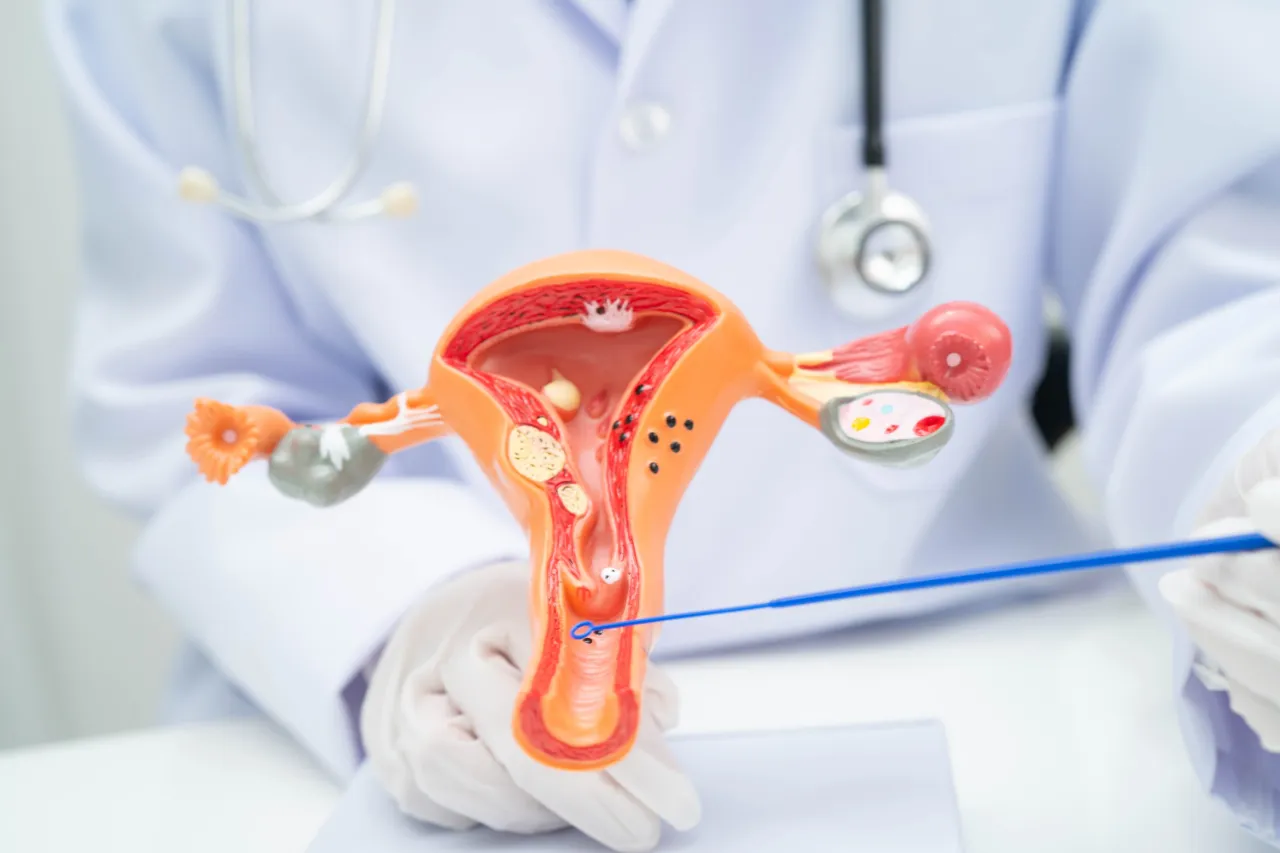
Take a Preventive Approach to Your Gynaecological Health
Keeping up with appropriate preventive care can help you stay informed about your gynaecological health and address relevant considerations before they are overlooked. Having a clearer understanding of your health can also give you greater confidence when making decisions about your care.
At The Wei-Wei Clinic for Women, patients receive personalised gynaecological care in a private and supportive setting. Care is led by Senior Consultant Obstetrician & Gynaecologist Dr Wei-Wei Wee-Stekly, who draws on her clinical experience to provide thorough assessments, clear medical advice and care tailored to each patient.
Whether you are due for preventive screening, have questions about your gynaecological health or simply want a clearer understanding of the care that may be relevant to you, you can contact us today to arrange a consultation.
Frequently Asked Questions About Gynaecological Assessment
Meet Our Doctor

Dr Wei-Wei Wee-Stekly is a senior consultant obstetrician and gynaecologist with extensive experience in women's health at every stage of life. She earned her Bachelor of Medicine and Bachelor of Surgery from Guy's, King's and St Thomas' School of Medicine at King's College London in 2003. Dr Wee-Stekly went on to achieve her MRCOG in the United Kingdom and a Master of Medicine in Obstetrics and Gynaecology in Singapore. She is a Fellow of the Royal College of Obstetricians and Gynaecologists in the United Kingdom and a Fellow of the Academy of Medicine, Singapore.
More About Dr Wei-WeiWomen’s health and well-being are our priority.
For more information or to make an appointment, please call (65) 6250 5608 or leave us a message below.

Operating Hours:
Saturday: 08:30am – 12:30pm
Sunday and Public Holiday: Closed