Endometriosis: Common Myths vs Facts

For many women, endometriosis can affect physical comfort, fertility, emotional well-being and the ability to carry out daily activities normally. Yet despite how common the condition is, many women continue to struggle with symptoms for years before receiving a proper diagnosis or effective treatment. This can leave many women feeling unheard, frustrated or uncertain about whether their symptoms are serious enough to seek help for.
By separating myths from facts, women can better understand what endometriosis really is, recognise when symptoms may require medical attention and feel more empowered to seek appropriate care earlier.
Why Is Endometriosis Often Misunderstood?
Despite affecting many women worldwide, endometriosis can still be difficult to recognise and diagnose early. One reason is that its symptoms vary greatly. Some women experience severe pelvic pain and heavy periods due to endometrial polyps, while others may have milder symptoms or primarily struggle with fertility issues.
Another challenge is that symptoms often overlap with other conditions such as irritable bowel syndrome, urinary tract disorders or other menstrual disorders. As a result, women may spend years unable to receive a clear diagnosis. Many women are told that painful periods are simply something they must endure, causing them to normalise symptoms that may actually require medical evaluation.
Improving awareness of the facts behind endometriosis can help women recognise potential warning signs earlier and seek appropriate care sooner.
Myth #1: Endometriosis Only Affects You During Your Period
Painful menstrual cramps are one of the most widely recognised symptoms of endometriosis, which leads many people to assume the condition only causes problems during menstruation.
Fact: Symptoms Can Occur Throughout the Month
Many women continue to experience symptoms even outside their menstrual cycle due to ongoing inflammation and irritation caused by endometrial tissue growing outside the uterus.
Some women also experience chronic pelvic pain, lower back discomfort or bloating throughout the month. Others may notice pain during intercourse, bowel movements or urination, depending on where the endometriosis is located. Fatigue and general discomfort may also persist even when they are not having their period.
Since symptoms are not always straightforward, ongoing pelvic pain or unexplained reproductive concerns should not be ignored or dismissed as routine period pain.
Myth #2: Endometriosis Only Affects the Reproductive Organs
Endometriosis is often described as a gynaecological condition, which causes many people to believe it only involves the uterus and reproductive organs.
Fact: Endometriosis Can Affect Areas Beyond the Pelvic Reproductive System
Although endometriosis commonly affects the ovaries, fallopian tubes and tissues surrounding the uterus, it can also involve nearby organs and structures outside the reproductive system.
In some cases, endometrial-like tissue may affect the bowel, bladder or pelvic lining, which can lead to symptoms such as painful bowel movements, urinary discomfort, bloating or digestive disturbances. This is one reason why endometriosis is sometimes mistaken for gastrointestinal or urinary conditions before a diagnosis is made.
The location and extent of endometriosis can vary significantly from person to person, which is why symptoms may present differently in each individual.
Myth #3: You Can’t Get Pregnant If You Have Endometriosis
Endometriosis is frequently associated with fertility challenges, causing some women to worry that pregnancy may no longer be possible after diagnosis.
Fact: Many Women With Endometriosis Can Still Conceive, Although Fertility May Be Affected
Having endometriosis does not automatically mean a woman will be unable to become pregnant. Many women with mild or moderate endometriosis are still able to conceive naturally.
However, endometriosis can sometimes affect fertility depending on the severity and location of the condition. Inflammation, scar tissue and adhesions may interfere with ovulation, egg quality or the movement of the egg and sperm through the reproductive organs. The presence of cysts could also cause issues during pregnancy.
Myth #4: Endometriosis Symptoms Are Always Obvious
Many people assume that endometriosis will always cause severe pelvic pain or highly noticeable symptoms that are easy to identify.
Fact: Symptoms Can Vary Greatly and May Sometimes Be Subtle
Not all women with endometriosis experience severe or easily recognisable symptoms. Some may have intense pelvic pain, while others experience only mild discomfort despite having extensive tissue spread.
Symptoms can also mimic other conditions such as irritable bowel syndrome, bladder disorders or hormonal-related digestive issues. As a result, women may not immediately realise that their symptoms are linked to endometriosis.
In some cases, endometriosis may be completely asymptomatic, only being discovered during fertility check-ups or surgery performed for unrelated reasons.
Myth #5: Surgery Can Completely Cure Endometriosis
Surgery is commonly used to remove visible endometriosis tissue, leading some women to believe it provides a permanent cure for the condition.
Fact: Endometriosis Often Requires Long-Term Management
Surgery can help remove visible endometriosis tissue, reduce pain and improve fertility outcomes in some women. However, it may not permanently eliminate the condition for everyone.
Endometriosis is influenced by hormonal and inflammatory processes, which means symptoms can sometimes recur even after treatment. The likelihood of recurrence may depend on factors such as the severity of disease, age and whether ongoing medical management is used after surgery.
Treatment plans are often individualised and may include medication, hormonal therapy, lifestyle modifications or fertility support alongside surgery when appropriate. The goal is not only to manage current symptoms but also to support long-term quality of life and reproductive health.
When Should You Seek Medical Advice for Endometriosis?
Many women normalise their symptoms for years before seeking help, particularly when they are told that painful periods are “part of being a woman”. However, symptoms that consistently affect physical comfort, emotional well-being or quality of life should not be overlooked. You may want to consider seeing a doctor if you experience:
- Pelvic pain that repeatedly disrupts work, school or daily activities
- Severe menstrual cramps that do not improve with rest or pain medication
- Persistent pelvic, abdominal or lower back pain outside of your period
- Pain during intercourse, bowel movements or urination
- Heavy menstrual bleeding or prolonged periods
- Ongoing bloating, digestive discomfort or fatigue linked to your menstrual cycle
- Difficulty conceiving or concerns about fertility
- Symptoms that have progressively worsened over time
Early evaluation can help identify whether endometriosis or another underlying condition may be contributing to your symptoms, allowing for more timely treatment and symptom management.
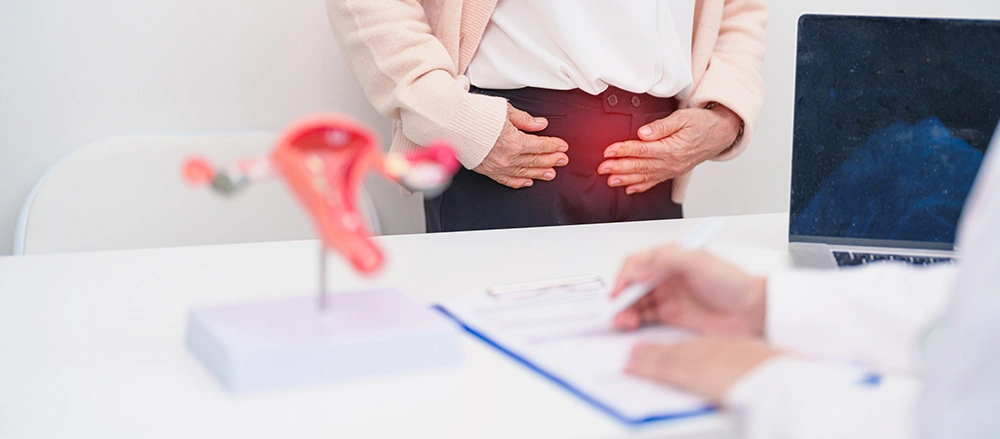
Seeking Compassionate Support for Endometriosis
Endometriosis is often surrounded by misconceptions that can make it harder for women to recognise when something may be wrong. As such, this condition tends to affect more than just menstrual health and sometimes persists for years before a diagnosis is made. Understanding the realities behind the condition can help women make more informed decisions about when to seek medical attention and what treatment options may be available.
At The Wei-Wei Clinic for Women, patients are cared for by Senior Consultant Obstetrician & Gynaecologist Dr Wei-Wei Wee-Stekly. Dr Wei-Wei provides personalised and compassionate care for women experiencing symptoms related to endometriosis, chronic pelvic pain, menstrual concerns and fertility issues. By taking the time to understand each patient’s symptoms, lifestyle concerns and reproductive goals, she aims to support women through both diagnosis and long-term management with clarity, empathy and evidence-based care.
If ongoing pelvic pain, heavy periods or menstrual-related symptoms are affecting your daily life, contact us to arrange a consultation and discuss the next steps for your care.
Meet Our Gynaecologist in Singapore
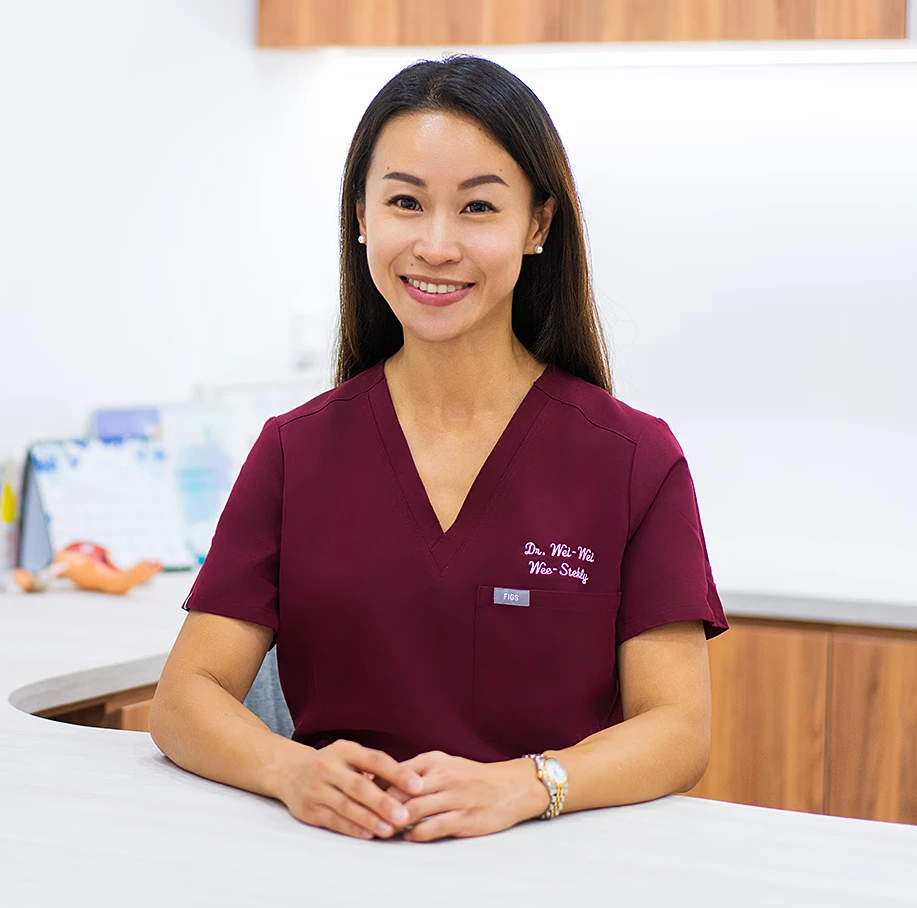
Dr. Wei-Wei Wee-Stekly is a senior consultant obstetrician and gynaecologist with extensive experience in women's health at every stage of life. She earned her Bachelor of Medicine and Bachelor of Surgery from Guy's, King's and St Thomas' School of Medicine at King's College London in 2003. Dr. Wee-Stekly went on to achieve her MRCOG in the United Kingdom and a Master of Medicine in Obstetrics and Gynaecology in Singapore. She is a Fellow of the Royal College of Obstetricians and Gynaecologists in the United Kingdom and a Fellow of the Academy of Medicine, Singapore.
More About Dr Wei-WeiWomen’s health and well-being are our priority.
For more information or to make an appointment, please call (65) 6250 5608 or leave us a message below.
Operating Hours:
Saturday: 08:30am – 12:30pm
Sunday and Public Holiday: Closed