How Can Fibroids Affect Digestion and Bowel Habits?
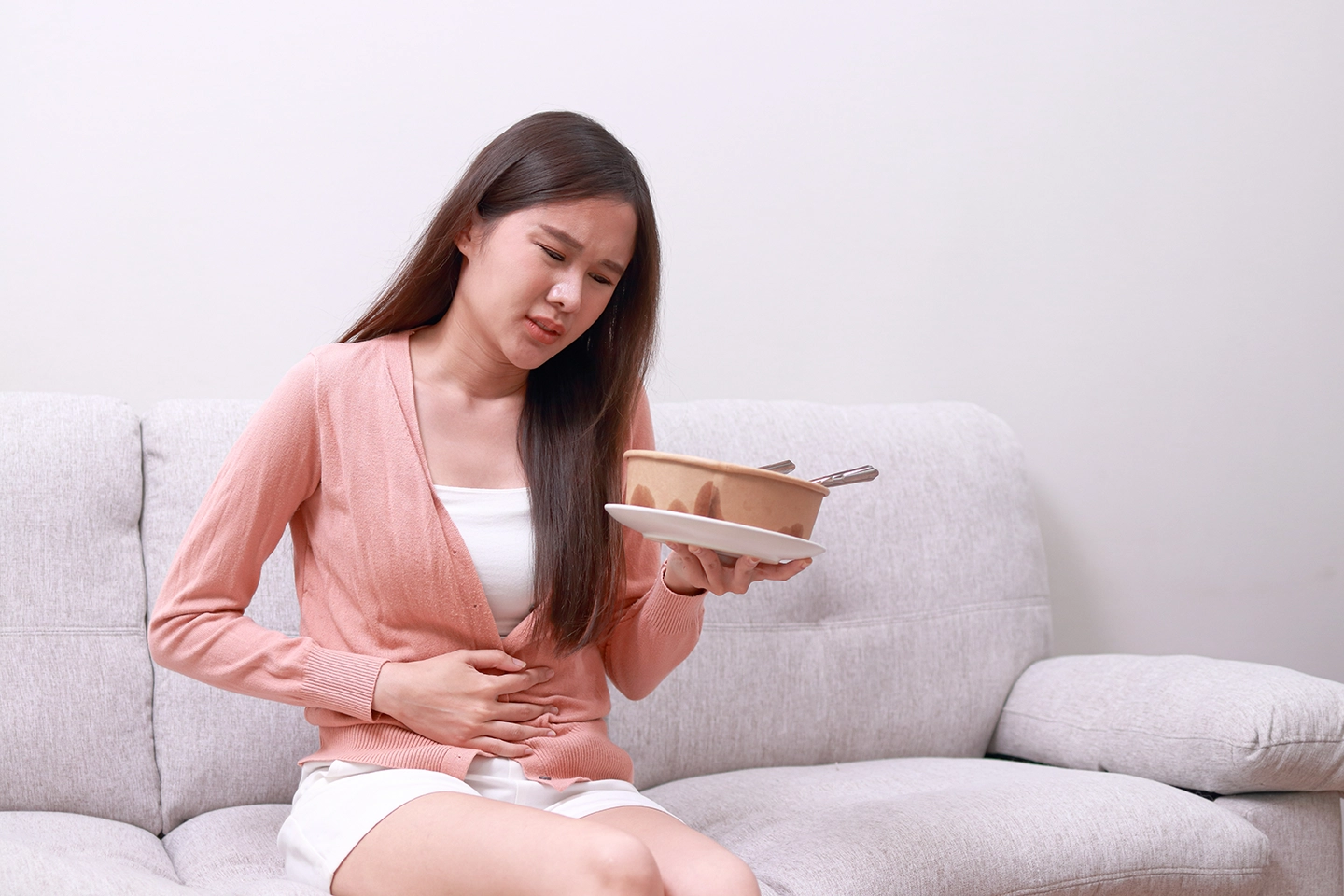

Uterine fibroids can affect bowel habits and cause abdominal discomfort when their size or position places pressure on nearby digestive structures. This can make passing stools more difficult, contribute to constipation or create a persistent feeling of fullness and bloating in the lower abdomen.
These symptoms can be difficult to distinguish from common digestive problems, particularly when fibroids have not previously caused noticeable discomfort. Understanding how fibroids affect nearby organs and recognising when persistent bowel changes warrant medical assessment can help women identify whether their symptoms require further investigation.
Key Takeaways
- Fibroids may place pressure on the bowel depending on their size and location, particularly when they grow towards the rectum.
- This pressure can contribute to constipation, difficulty emptying the bowel and persistent lower abdominal fullness.
- Persistent bowel changes should be medically assessed rather than automatically attributed to fibroids. Pelvic examination and ultrasound can help determine whether fibroids may be contributing.
How Do Fibroids Create Pressure on the Bowel?
Fibroids can place pressure on the bowel when their size or location causes the uterus to press against surrounding pelvic structures.
The rectum, which stores stool before it is passed, sits directly behind the uterus. Fibroids growing towards the back of the uterus, particularly those extending outwards from the uterine wall, may press against the rectum and make bowel movements more difficult.
As fibroids grow larger, they can also cause the uterus to enlarge and occupy more space within the pelvis. This is particularly relevant when a fibroid becomes very large or several fibroids are present, increasing pressure on nearby organs and contributing to a persistent feeling of abdominal fullness.
What Are Possible Digestive Symptoms Caused by Fibroids?
Digestive symptoms associated with fibroids are generally related to physical pressure rather than changes in the digestive process itself. The effects are most often felt during bowel movements or as discomfort in the lower abdomen.
Constipation and Difficulty Emptying the Bowels
Fibroid-related constipation may affect how often you open your bowels or how easily you can empty them.
Some may notice:
- Going to the toilet less often than usual.
- Needing to strain more when passing stools.
- Feeling that the bowel has not emptied completely after a bowel movement.
Abdominal Fullness and Lower Abdominal Discomfort
Fibroids may also create a persistent sensation of fullness or heaviness in the lower abdomen. Some may describe this as bloating, even when it is not associated with eating or excess gas.
When the uterus becomes significantly enlarged, the lower abdomen may appear more prominent. Others may experience a dull ache or an uncomfortable sensation of pressure without visible swelling.
When Should Changes in Bowel Habits Be Checked?
Bowel changes should be medically assessed when they persist or begin affecting everyday activities. This is particularly important when the changes are unfamiliar, even if fibroids have previously been diagnosed. You may want to seek out an assessment if you experience:
Persistent Changes That Affect Daily Life
Changes that continue despite adjustments to your daily routine may warrant medical review, particularly when they are becoming harder to manage.
Consider arranging an appointment if:
- Your bowel habits have changed noticeably and are not returning to normal
- The problem continues despite reasonable adjustments to your diet, fluid intake or daily routine
- The symptoms increasingly interfere with work, sleep or usual activities
Warning Signs That Require Urgent Attention
Seek emergency medical care for sudden, severe abdominal or pelvic pain, especially if accompanied by vomiting or an inability to pass stool or gas. These symptoms may indicate a bowel obstruction or another serious condition.
Blood in the stool or unexplained weight loss also warrants prompt medical review. Heavy rectal bleeding, particularly with dizziness or fainting, requires emergency care.
How Do Doctors Determine Whether Fibroids Are Causing Bowel Symptoms?
Doctors assess whether fibroids could be contributing to bowel symptoms by reviewing the pattern of symptoms and examining the pelvic organs. The presence of a fibroid alone does not confirm that it is responsible for the bowel changes.
Reviewing Symptoms and Other Possible Causes
Your doctor will begin by asking about your usual bowel habits and how they have changed. They may also explore whether the discomfort varies with meals or improves after passing stools.
Other factors are considered because constipation and abdominal discomfort may arise independently of fibroids. These include dietary habits, changes in medication and existing digestive conditions.
Your menstrual history and any previous gynaecological findings may also provide useful context. If the symptoms suggest a gastrointestinal problem, further evaluation may be recommended.
Assessing Fibroids Through Pelvic Examination and Ultrasound
A pelvic examination may reveal an enlarged or irregularly shaped uterus, although it cannot reliably establish the cause of bowel symptoms on its own.
Ultrasound is commonly used to assess uterine fibroids. It allows the doctor to identify the growths and examine their size, number and position. The doctor can then consider whether the fibroids are positioned or enlarged in a way that could place pressure on the bowel, alongside the patient's symptoms and other clinical findings.
Understand the Cause of Persistent Bowel Symptoms With Dr Wei-Wei Wee-Stekly
Persistent changes in bowel habits warrant careful assessment, particularly when uterine fibroids may be contributing to pressure on surrounding pelvic structures. Identifying whether fibroids are responsible can help determine whether fibroid treatment is appropriate or whether other causes of digestive discomfort need further evaluation.
At The Wei-Wei Clinic for Women, Senior Consultant Obstetrician & Gynaecologist Dr Wei-Wei Wee-Stekly assesses fibroid characteristics alongside each patient's symptoms and clinical findings. Her experience in fibroid management supports individualised care, including consideration of whether monitoring or treatment may help relieve pressure-related symptoms.
Arrange a consultation with our clinic to better understand your bowel symptoms and discuss the next steps appropriate for your condition.
Frequently Asked Questions (FAQs)
Meet Our Doctor

Dr Wei-Wei Wee-Stekly is a senior consultant obstetrician and gynaecologist with extensive experience in women's health at every stage of life. She earned her Bachelor of Medicine and Bachelor of Surgery from Guy's, King's and St Thomas' School of Medicine at King's College London in 2003. Dr Wee-Stekly went on to achieve her MRCOG in the United Kingdom and a Master of Medicine in Obstetrics and Gynaecology in Singapore. She is a Fellow of the Royal College of Obstetricians and Gynaecologists in the United Kingdom and a Fellow of the Academy of Medicine, Singapore.
More About Dr Wei-WeiWomen’s health and well-being are our priority.
For more information or to make an appointment, please call (65) 6250 5608 or leave us a message below.

Operating Hours:
Saturday: 08:30am – 12:30pm
Sunday and Public Holiday: Closed