When Is Laparoscopic Surgery Used to Remove Ovarian Cysts?
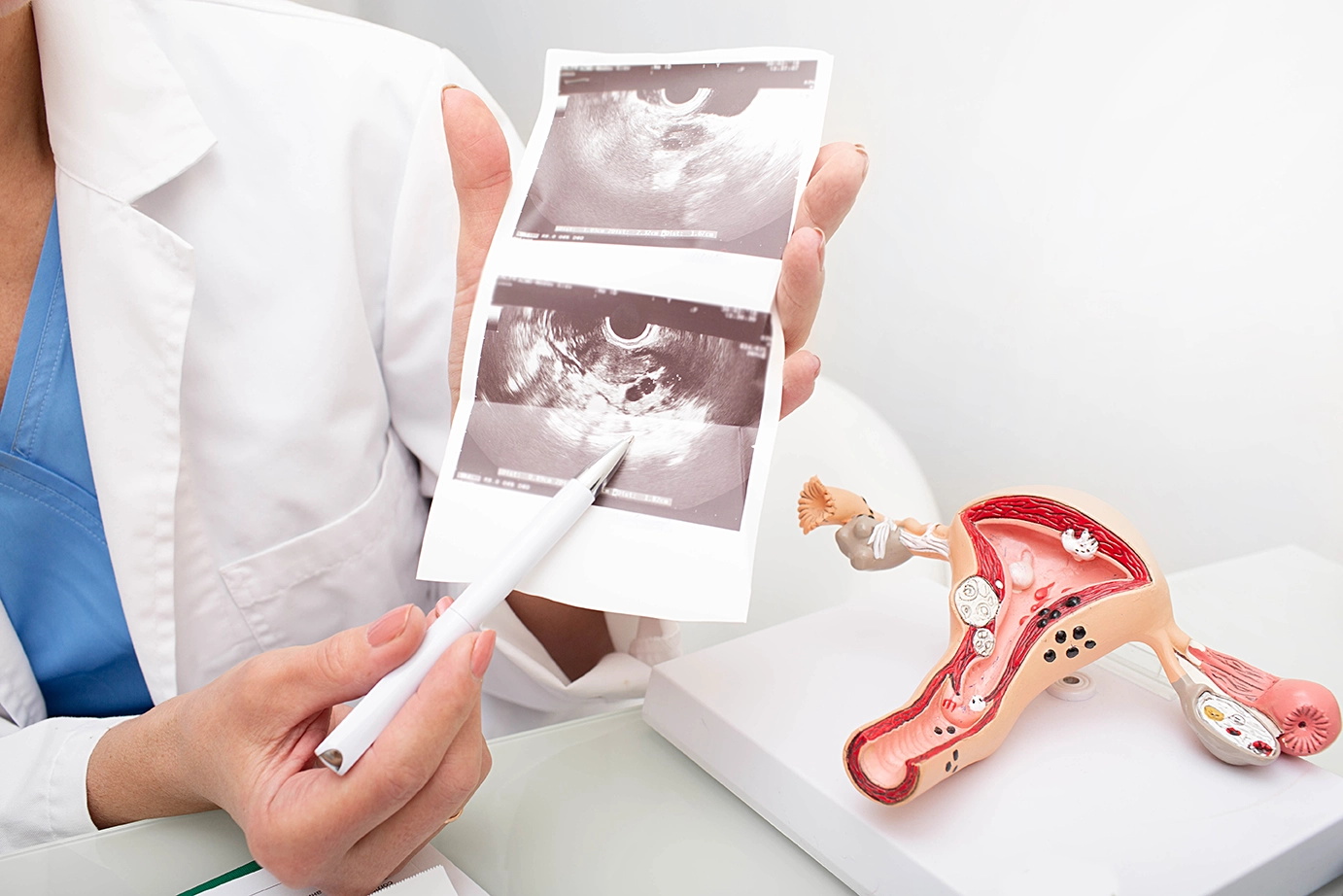

When an ovarian cyst needs to be removed, one of the next considerations is how the surgery will be performed. Laparoscopic surgery, commonly known as keyhole surgery, may be suitable when the cyst can be safely removed through small abdominal incisions. However, determining whether this approach is appropriate requires careful assessment of the cyst's characteristics and the patient's individual circumstances.
For women who have been advised to undergo ovarian cyst removal, understanding how surgeons assess suitability for laparoscopy can help explain why one approach may be recommended over another. These considerations also help guide discussions with their gynaecologist about the proposed procedure and what to expect from surgery.
Key Takeaways
- Laparoscopy is commonly used when an ovarian cyst requires removal and appears benign.
- The cyst's size and position affect whether it can be accessed and removed through small incisions.
- Ultrasound findings and suspected cyst type influence surgical planning, including whether healthy ovarian tissue can be preserved.
- Open surgery or removal of the affected ovary may be considered when cyst removal is difficult or cancer is suspected.
How Do Size and Location Affect Laparoscopic Removal?
A benign-looking cyst may still present challenges during surgery, which is why technical feasibility matters when considering laparoscopic ovarian cyst surgery.
Cyst Size and Surgical Access
Larger ovarian cysts can make laparoscopic removal more challenging by reducing the space available for surgical instruments. They may also stretch the ovary or obscure nearby structures, making careful separation more difficult.
However, there is no single size threshold that automatically rules out laparoscopy. Some large cysts can still be removed through keyhole surgery when their appearance is reassuring and the surgeon considers the procedure manageable.
Cyst Position and Surrounding Tissue
A cyst's position within the ovary affects how easily it can be separated from healthy tissue. Cysts located deep within the ovary may require more careful dissection, particularly when preserving ovarian function is important.
Previous pelvic surgery can also lead to adhesions, which are bands of scar tissue that cause nearby organs to stick together. These may restrict access to the ovary and increase the difficulty of laparoscopic removal.
Although imaging and medical history can help identify potential complications, some adhesions may only become apparent during surgery. The surgeon must therefore consider both the anticipated difficulty and the possibility of unexpected findings.
How Do Ultrasound Findings and Cyst Type Affect Surgery?
Ultrasound findings help gynaecologists understand the likely nature of an ovarian cyst before recommending surgery. This information influences how the cyst should be handled and whether additional investigation is needed.
Ultrasound Appearance and Further Assessment
A cyst with a thin, smooth wall and clear fluid is generally more reassuring than one containing unusual internal structures. Many simple cysts do not require surgery, although removal may still be considered if they persist or cause significant symptoms.
Internal partitions may be harmless, whereas irregular solid areas can warrant closer investigation. A complex cyst does not automatically mean cancer.
When the ultrasound findings are unclear, further imaging such as an MRI scan may help characterise the cyst. The gynaecologist also considers the patient's age and medical history to determine whether the findings support laparoscopic removal.
Dermoid Cysts and Endometriomas
Different types of ovarian cysts can present distinct surgical challenges.
Dermoid cysts, for instance, may contain fatty material or hair. If removal is recommended, the surgeon must consider how to extract the cyst while minimising the risk of its contents spilling into the abdomen.
Endometriomas, which develop in women with endometriosis, can be more closely attached to healthy ovarian tissue. Separating the cyst may therefore be more difficult, particularly when there is limited normal tissue surrounding it.
Removing an endometrioma can reduce ovarian reserve (the remaining egg supply). This matters when planning a pregnancy and should be weighed against the expected benefits of surgery.
When Is an Alternate Surgical Approach More Appropriate?
Although laparoscopy is commonly preferred for suitable benign cysts, another surgical approach may be recommended when certain findings make removal through small incisions more difficult or raise concerns about safety.
Exceptionally Large Ovarian Cysts
Very large cysts may limit the space available for surgical instruments or make extraction through small incisions difficult. Open surgery, also known as laparotomy, may provide better access, although cyst size alone does not determine the approach.
Extensive Pelvic Adhesions
Adhesions from previous surgery, infections or endometriosis can cause the ovary to become attached to surrounding structures. When these adhesions make safe separation difficult, open surgery may be considered to provide wider access.
Ovarian Cysts With Features Suggesting Malignancy
Suspicious ultrasound findings, such as solid components or irregular structures, may require further investigation or referral to a gynaecological oncologist. If cancer is strongly suspected, surgery may need to prioritise removing the affected tissue intact, potentially making an open approach more appropriate.
Extensive Damage to Ovarian Tissue
When a cyst has severely damaged or replaced much of the ovary, preserving the affected ovarian tissue may not be feasible. Removal of the ovary, sometimes together with the fallopian tube, may be recommended instead of cystectomy alone. This can still be performed laparoscopically in suitable cases.
Understanding Your Surgical Options With Dr Wei-Wei
The decision to undergo ovarian cyst surgery involves important considerations, particularly when preserving healthy ovarian tissue and future fertility is a priority. Understanding why laparoscopy may be suitable, what could make removal more challenging and when another approach may be safer can help you weigh your options and make an informed decision about your care.
At The Wei-Wei Clinic for Women, Senior Consultant Obstetrician & Gynaecologist Dr Wei-Wei Wee-Stekly assesses cyst characteristics alongside individual health needs and reproductive goals to recommend an appropriate surgical approach. Dr Wei-Wei brings specialist surgical experience to treatment planning, with an emphasis on careful cyst removal and preserving healthy ovarian tissue where feasible.
Book an appointment to review your findings and make an informed decision about ovarian cyst removal.
Frequently Asked Questions (FAQs)
Meet Our Doctor

Dr Wei-Wei Wee-Stekly is a senior consultant obstetrician and gynaecologist with extensive experience in women's health at every stage of life. She earned her Bachelor of Medicine and Bachelor of Surgery from Guy's, King's and St Thomas' School of Medicine at King's College London in 2003. Dr Wee-Stekly went on to achieve her MRCOG in the United Kingdom and a Master of Medicine in Obstetrics and Gynaecology in Singapore. She is a Fellow of the Royal College of Obstetricians and Gynaecologists in the United Kingdom and a Fellow of the Academy of Medicine, Singapore.
More About Dr Wei-WeiWomen’s health and well-being are our priority.
For more information or to make an appointment, please call (65) 6250 5608 or leave us a message below.

Operating Hours:
Saturday: 08:30am – 12:30pm
Sunday and Public Holiday: Closed