How Are Recurring Ovarian Cysts Managed?
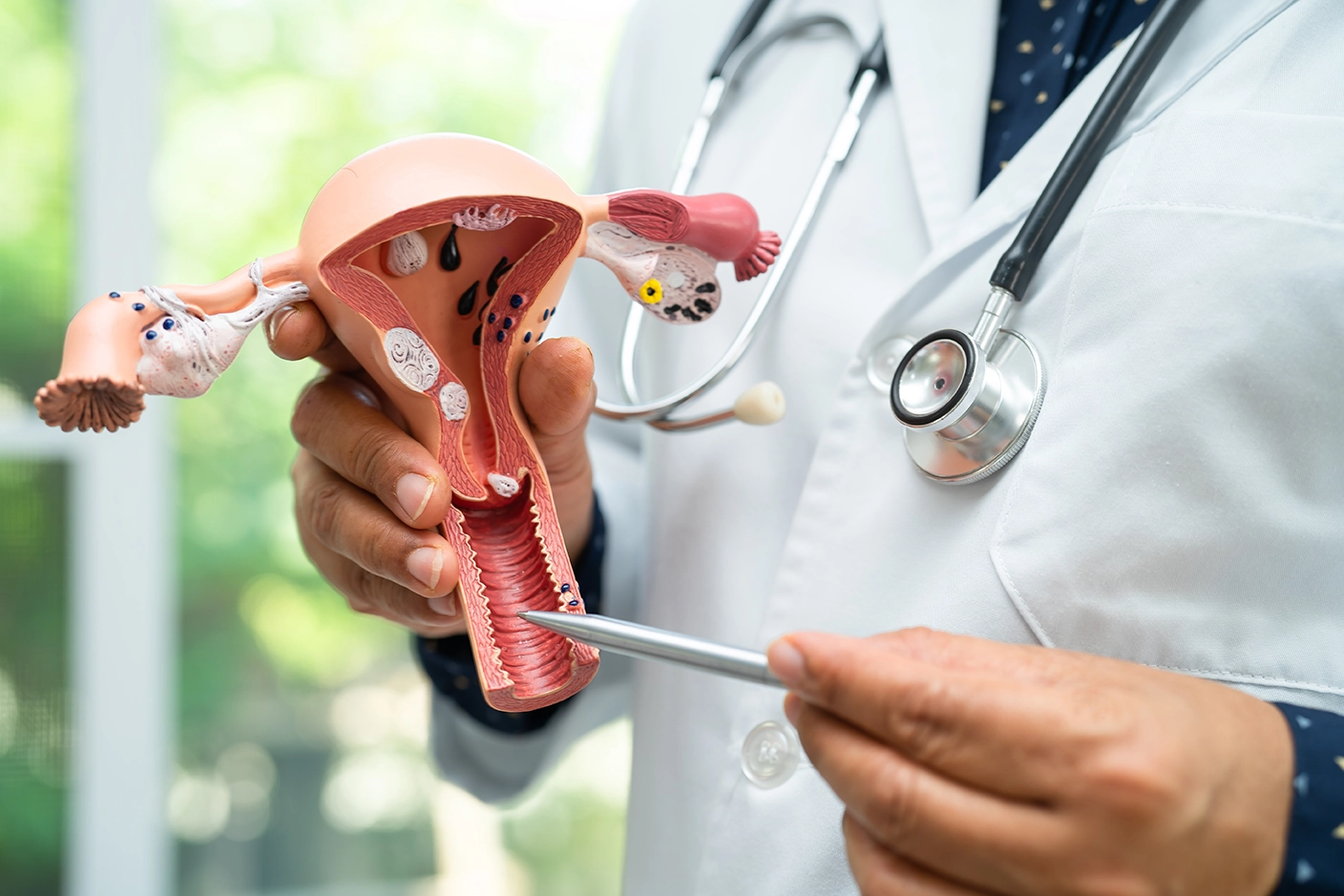

Having an ovarian cyst return after a previous one has resolved or been treated can be concerning, particularly if you have already undergone treatment. You may wonder why cysts keep developing, whether they will continue to recur and what can be done to manage them.
Recurring ovarian cysts can have different underlying causes, which influence how they are managed. Some cysts resolve without treatment and only require monitoring, while others may need further assessment or surgical removal, particularly if they cause symptoms or show concerning changes.
Understanding why ovarian cysts recur and what guides treatment decisions can help you make informed choices about your care and the possibility of future recurrence.
Why Some Ovarian Cysts Keep Coming Back
An ovarian cyst is a fluid-filled or partly solid sac that develops on or within an ovary. The reasons ovarian cysts recur often depend on the type involved.
Some cysts are linked to the normal menstrual cycle. These are known as functional cysts and can form when an egg develops or is released from the ovary. A previous functional cyst may resolve completely, but another can form during a later menstrual cycle. In this situation, ovarian cyst recurrence does not necessarily mean that the original cyst has returned.
Other cysts may recur because the underlying condition that caused them is still present. Endometriomas, for example, are associated with endometriosis and may recur after treatment.
This is why identifying the likely cyst type matters. Ultrasound findings, previous scan results and medical history can help determine whether a new cyst resembles one seen previously or may represent a different problem.
What Determines Whether Continued Monitoring Is Appropriate?
Recurring ovarian cysts can sometimes be monitored without immediate treatment, particularly when they appear benign, cause few or no symptoms and show no concerning changes over time. The decision also takes into account the type and size of the cyst, the patient's age and reproductive circumstances.
Cyst Type and Appearance
An ultrasound helps assess whether a cyst is simple or has more complex features, such as solid areas or internal structures. Simple cysts are often suitable for observation, while cysts with concerning features may require further evaluation.
Management also differs based on the type of cyst. Functional ovarian cysts often resolve on their own, whereas other types, such as endometriomas or dermoid cysts, are more likely to persist.
Size and Changes Over Time
The size of a cyst and how it changes on follow-up scans help determine whether continued monitoring is appropriate.
A cyst that becomes smaller or disappears may not require further treatment. Some stable, benign-appearing cysts can also be monitored, while those that grow or develop concerning features may require additional assessment.
The Impact of Symptoms
Cysts that cause little or no discomfort are generally more suitable for monitoring than those associated with persistent pelvic pain, pressure or symptoms that interfere with daily activities.
New or worsening symptoms may prompt an earlier review, even if previous scans suggested that monitoring was appropriate.
Fertility Considerations
For patients planning a future pregnancy, preserving healthy ovarian tissue is an important consideration, particularly if surgery is being discussed.
The doctor will consider the suspected cyst type, its potential effects on fertility and whether continued monitoring could avoid an unnecessary procedure.
How Are Recurring Ovarian Cysts Treated?
Recurring ovarian cysts may be managed with medication, surgical removal or continued monitoring, depending on the type of cyst, its symptoms and the reasons for recurrence. Treatment aims to address the existing cyst where necessary while considering ways to reduce future recurrence.
Medication to Manage Certain Types of Ovarian Cysts
Hormonal medication, such as the combined oral contraceptive pill, may help reduce the formation of new functional ovarian cysts by suppressing ovulation. However, it does not speed up the resolution of an existing functional cyst.
For cysts associated with underlying conditions such as endometriosis, hormonal treatment may help manage symptoms and reduce the risk of endometrioma recurrence in suitable patients. The choice of medication also takes into account pregnancy plans and other health considerations.
Surgical Removal of Persistent or Symptomatic Cysts
Cyst removal surgery may be considered when an ovarian cyst persists, grows, causes ongoing symptoms or has features that require further assessment and possible removal.
One option is an ovarian cystectomy, which removes the cyst while preserving as much healthy ovarian tissue as possible. When suitable, this can be performed through laparoscopic surgery using small abdominal incisions.
While planning this surgical approach, your doctor must take into account the cyst's size, location and characteristics, as well as the importance of preserving ovarian function and fertility.
Follow-Up Care and Reducing Future Recurrence
Follow-up after treatment helps assess whether a cyst has resolved, whether symptoms have improved and whether further monitoring is needed.
Preventing recurrence is not always possible, particularly because new functional cysts can develop during subsequent menstrual cycles. For patients with conditions associated with recurrent cysts, such as endometriosis, ongoing treatment may help lower the likelihood of future cyst formation.
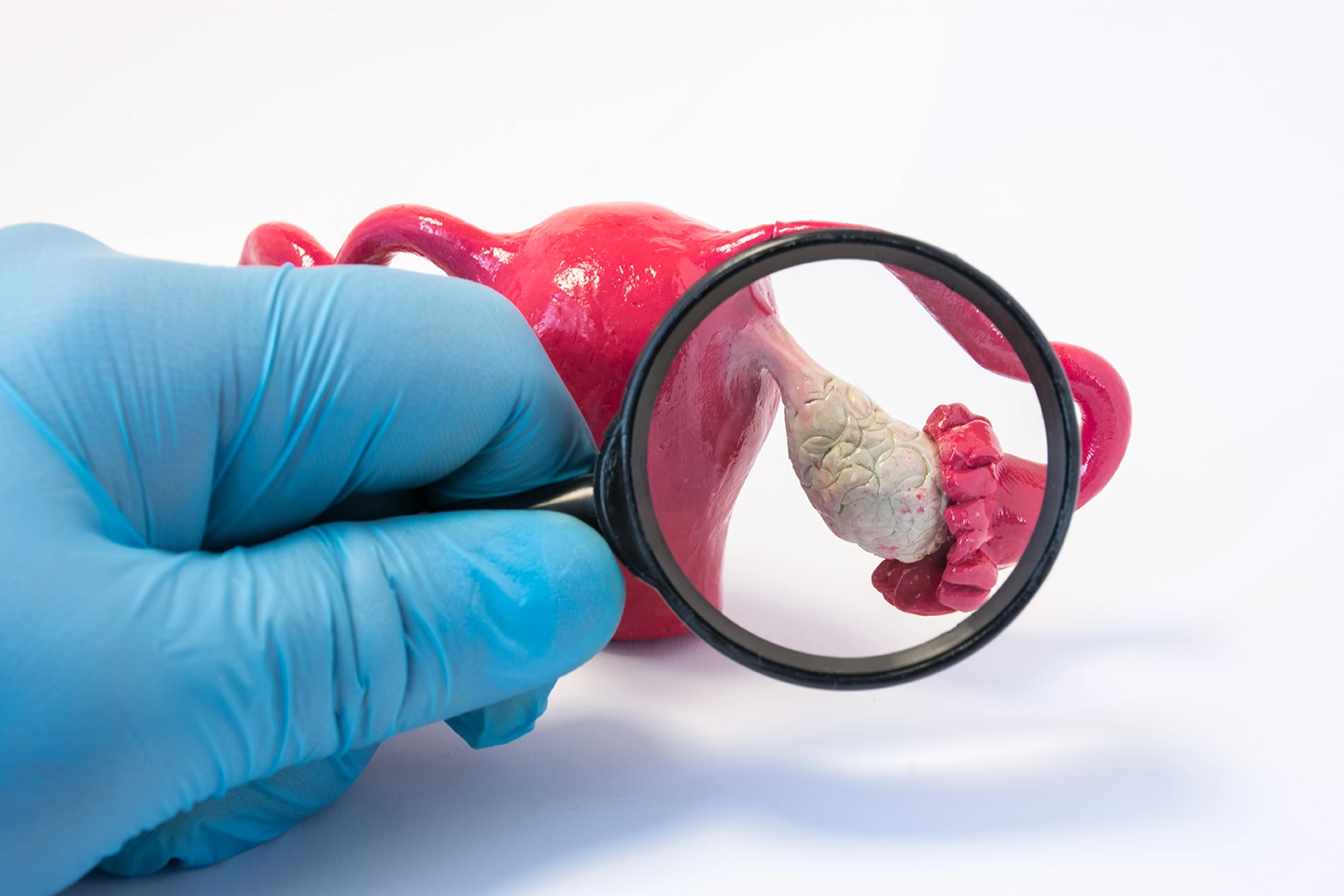
Specialist Care for Recurring Ovarian Cysts With Dr Wei-Wei Wee-Stekly
Appropriate care for recurring cysts can help address troublesome symptoms, reduce the risk of complications and minimise unnecessary procedures. At The Wei-Wei Clinic for Women, we are committed to providing comprehensive, personalised gynaecological care that considers each woman's immediate health concerns and long-term reproductive well-being.
Led by Senior Consultant Obstetrician & Gynaecologist Dr Wei-Wei Wee-Stekly, our clinic offers both conservative management and surgical treatment for ovarian cysts. Drawing on her experience in gynaecology and minimally invasive surgery, Dr Wee-Stekly takes a thoughtful approach to treatment, balancing the need to manage recurring cysts effectively with the importance of preserving healthy ovarian tissue and future fertility.
If you are concerned about recurring ovarian cysts, contact our clinic to arrange a consultation and receive personalised guidance on your treatment options.
Frequently Asked Questions
Meet Our Doctor

Dr Wei-Wei Wee-Stekly is a senior consultant obstetrician and gynaecologist with extensive experience in women's health at every stage of life. She earned her Bachelor of Medicine and Bachelor of Surgery from Guy's, King's and St Thomas' School of Medicine at King's College London in 2003. Dr Wee-Stekly went on to achieve her MRCOG in the United Kingdom and a Master of Medicine in Obstetrics and Gynaecology in Singapore. She is a Fellow of the Royal College of Obstetricians and Gynaecologists in the United Kingdom and a Fellow of the Academy of Medicine, Singapore.
More About Dr Wei-WeiWomen’s health and well-being are our priority.
For more information or to make an appointment, please call (65) 6250 5608 or leave us a message below.

Operating Hours:
Saturday: 08:30am – 12:30pm
Sunday and Public Holiday: Closed