Why Do Fibroids Degenerate and What Symptoms Can They Cause?
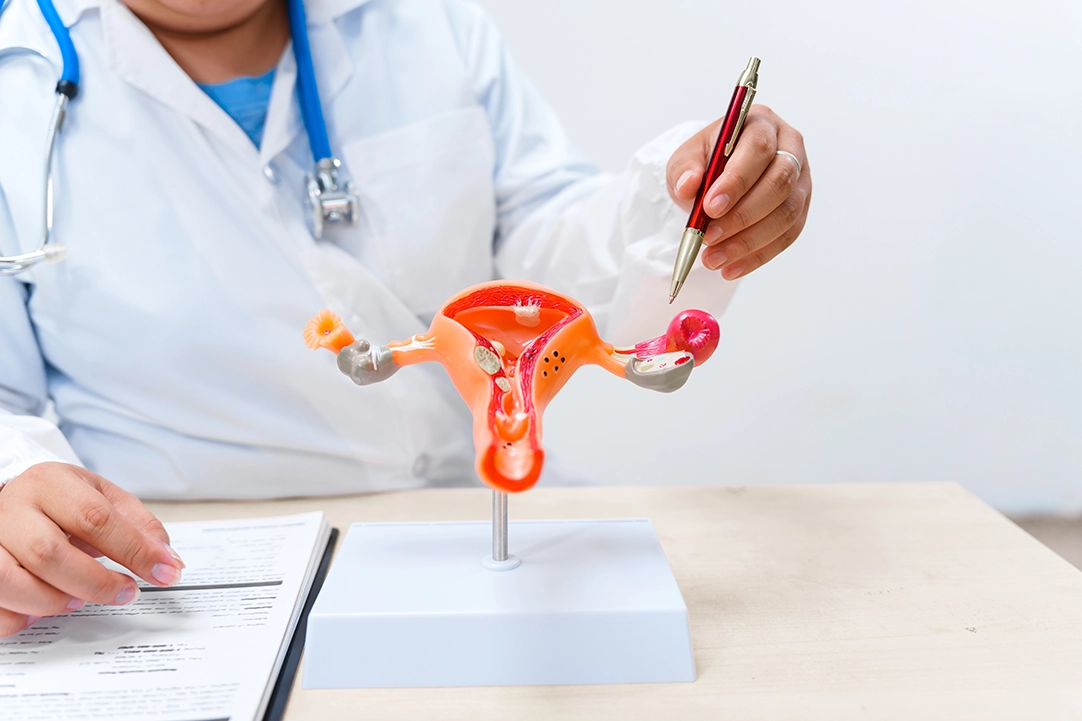

A fibroid that has caused little trouble for years can sometimes become a source of unexpected pelvic pain as it undergoes changes over time. This can be concerning, particularly when the fibroid has previously been monitored without any need for treatment. But what might cause a previously manageable fibroid to become painful?
One possible explanation is fibroid degeneration, which occurs when part of a fibroid's tissue begins to break down due to an inadequate blood supply. This can cause noticeable pain, making it important to understand what degeneration may involve and when a change in symptoms warrants medical assessment.
Why Do Fibroids Degenerate?
Fibroids can undergo degeneration when their blood supply becomes insufficient to provide the oxygen and nutrients needed to sustain their tissue. This can happen as a fibroid grows larger, particularly when tissue deep within the growth receives less blood than it requires. As a result, parts of the fibroid may begin to break down or undergo structural changes.
The way the affected tissue changes determines the type of degeneration. The main types include:
- Hyaline degeneration: The most common form, in which normal fibroid tissue is gradually replaced by dense, glassy-looking connective tissue.
- Cystic degeneration: Occurs when degenerating tissue breaks down and forms fluid-filled spaces, sometimes following hyaline degeneration.
- Red degeneration: Involves bleeding and tissue damage associated with disrupted blood flow. It is particularly associated with pregnancy and can cause acute pelvic pain.
- Calcific degeneration: Occurs when calcium deposits accumulate within previously degenerated tissue, often as part of longer-term changes in a fibroid.
These changes can develop at different rates, and some fibroids may show more than one type of degeneration. The type of degeneration can also influence whether symptoms develop and how the fibroid appears on imaging.
What Symptoms Can Fibroid Degeneration Cause?
Fibroid degeneration can cause lower abdominal pain and tenderness, particularly when blood flow is disrupted suddenly, as in red degeneration. Symptoms may include:
- Sudden or persistent lower abdominal pain: Pain may begin abruptly or intensify over several hours, often near the affected fibroid. Unlike typical menstrual cramps, the discomfort may persist outside the menstrual cycle and range from a continuous ache to sharper pain.
- Abdominal tenderness: The lower abdomen may become sensitive to pressure or movement, particularly around the affected area.
- Other physical symptoms: More painful episodes may also cause nausea, reduced appetite or a mild fever associated with tissue degeneration and inflammation.
When Should New Symptoms Be Taken Seriously?
Sudden or severe pelvic pain warrants prompt medical assessment, particularly when accompanied by persistent vomiting, fever or faintness. Unusual vaginal bleeding also requires timely medical attention. Because similar symptoms can arise from other gynaecological or abdominal conditions, new or worsening pain should be assessed rather than automatically attributed to an existing fibroid.
Women who have uterine fibroids during pregnancy should seek prompt medical assessment if they develop abdominal pain or tenderness. Although red degeneration is particularly associated with pregnancy, these symptoms can also indicate other pregnancy-related complications that require urgent evaluation.
How Is Fibroid Degeneration Assessed and Managed?
Assessment focuses on identifying the cause of the symptoms before deciding on treatment. Although an existing fibroid may suggest degeneration, other conditions must first be considered.
Evaluating the Cause of Pelvic Pain
A doctor will review when the pain began, how it has progressed and whether other symptoms are present. An abdominal or pelvic examination may help locate the discomfort.
Conditions such as ovarian cyst complications or ovarian torsion can cause similar pain. Appendicitis and ectopic pregnancy may also need to be ruled out. Depending on the findings, blood tests or a pregnancy test may be recommended.
Using Imaging to Investigate Degenerative Changes
Ultrasound is usually the first imaging test used to assess suspected fibroid degeneration. It helps doctors examine the fibroid's size and location while identifying possible internal changes.
Magnetic resonance imaging (MRI) may be recommended if ultrasound results are unclear. It provides more detailed images of the fibroid, including areas of bleeding or tissue breakdown.
Managing Pain and Considering Further Treatment
Uncomplicated fibroid degeneration is often managed with suitable pain medication and temporary activity adjustments while symptoms improve.
However, persistent or recurring discomfort may warrant further assessment of the underlying fibroid. Available fibroid treatment options include monitoring and procedures that address the growth itself.
For women with ongoing fibroid-related symptoms, myomectomy may be considered to remove the fibroid while preserving the uterus. The decision depends on the fibroid's characteristics, symptom severity and the patient's reproductive plans.
If an initial scan shows unusual changes, follow-up imaging may be recommended even after the pain improves. Comparing these findings with earlier scans, where available, can help doctors assess changes in the fibroid's size or appearance and determine whether further investigation is needed.
Get Fibroid Symptoms Assessed With Dr Wei-Wei Wee-Stekly
New or worsening pelvic pain can raise questions about an existing fibroid, particularly when the discomfort feels different from previous symptoms. An assessment can help establish whether degeneration is responsible and whether further treatment is appropriate.
At The Wei-Wei Clinic for Women, Senior Consultant Obstetrician & Gynaecologist Dr Wei-Wei Wee-Stekly brings over 20 years of experience in obstetrics and gynaecology, alongside advanced training in laparoscopic surgery. Her background in fibroid assessment and minimally invasive treatment allows patients to receive guidance that considers both their immediate symptoms and longer-term reproductive needs.
If you have developed unexplained pelvic discomfort or are concerned about changes in a known fibroid, book a consultation with Dr Wei-Wei for an individual assessment.
Frequently Asked Questions (FAQs) About Fibroid Degeneration
Meet Our Doctor

Dr Wei-Wei Wee-Stekly is a senior consultant obstetrician and gynaecologist with extensive experience in women's health at every stage of life. She earned her Bachelor of Medicine and Bachelor of Surgery from Guy's, King's and St Thomas' School of Medicine at King's College London in 2003. Dr Wee-Stekly went on to achieve her MRCOG in the United Kingdom and a Master of Medicine in Obstetrics and Gynaecology in Singapore. She is a Fellow of the Royal College of Obstetricians and Gynaecologists in the United Kingdom and a Fellow of the Academy of Medicine, Singapore.
More About Dr Wei-WeiWomen’s health and well-being are our priority.
For more information or to make an appointment, please call (65) 6250 5608 or leave us a message below.

Operating Hours:
Saturday: 08:30am – 12:30pm
Sunday and Public Holiday: Closed