When Might a Hysterectomy Be Recommended?
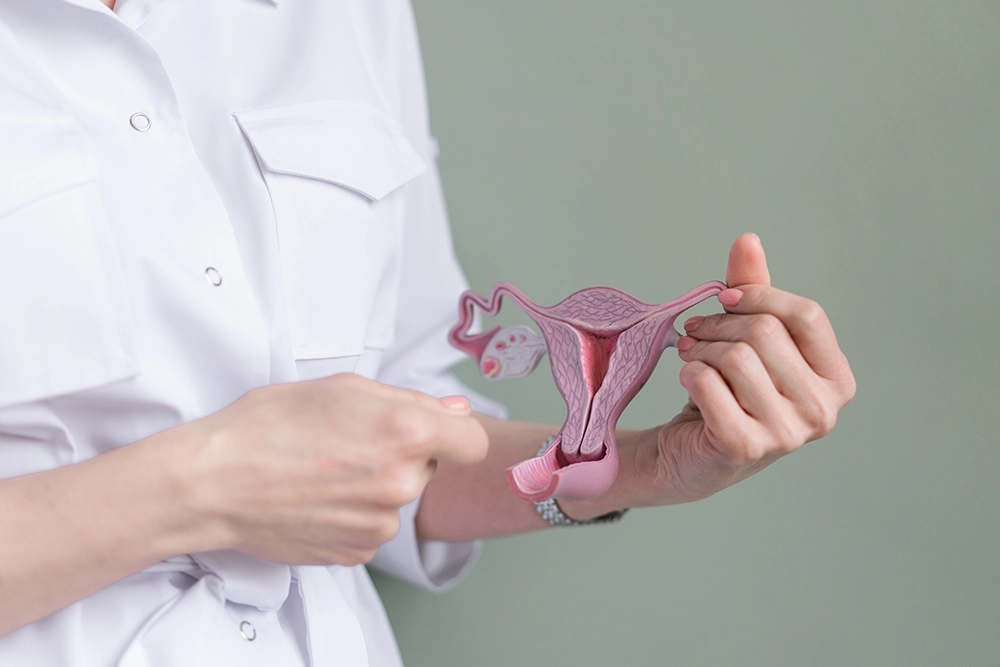

A hysterectomy is an operation to remove the uterus, often only recommended when removing the uterus is necessary to address a serious health concern. As a major surgical procedure with permanent implications, including the inability to carry a pregnancy, the decision to undergo a hysterectomy requires careful consideration.
In some circumstances, a hysterectomy can provide lasting relief from debilitating symptoms that have significantly affected a person's health and quality of life. In others, it may be a last resort to treat cancer or another underlying condition. The potential benefits must therefore be carefully weighed against the consequences of surgery.
Understanding the situations in which a hysterectomy may be recommended can help patients approach treatment decisions with greater clarity.
Factors Considered Before a Hysterectomy Is Recommended
Before recommending a hysterectomy, a gynaecologist will assess the seriousness of the underlying condition, its impact on the patient's health and whether removing the uterus is necessary or offers a meaningful advantage over other treatments. Several factors help guide this decision:
The Presence of Cancer or Precancerous Changes
When certain gynaecological cancers or high-risk precancerous changes are diagnosed, removing the uterus may be necessary to eliminate diseased tissue and reduce the risk of cancer developing or progressing. In some cases, delaying surgery or relying on less invasive treatments could allow the disease to worsen. A hysterectomy may therefore be recommended as a priority, particularly when preserving the uterus would compromise the effectiveness of treatment.
The Severity of the Condition and Its Symptoms
For non-cancerous conditions, a hysterectomy is generally considered when symptoms are severe, persistent or substantially affect daily life. Heavy menstrual bleeding that causes significant anaemia, debilitating pelvic pain or pressure symptoms that interfere with normal activities may warrant consideration, particularly when other treatments have not provided adequate relief.
The Suitability and Effectiveness of Other Treatments
Medication and less invasive procedures may help manage certain conditions while preserving the uterus. A hysterectomy may become an option when these treatments have been unsuccessful, are unsuitable or are unlikely to provide sufficient long-term relief.
Future Pregnancy Plans
Removing the uterus permanently ends the ability to carry a pregnancy. For women who wish to have children in the future, uterus-preserving treatments are generally prioritised when medically appropriate. A hysterectomy may still be necessary if the condition poses a serious threat to the patient's health or life and preserving the uterus would prevent effective treatment.
What Conditions May Be Treated With a Hysterectomy?
Several conditions can lead to a discussion about hysterectomy, although the reasons for recommending surgery differ between them.
Fibroids
Fibroids are non-cancerous growths that develop in or around the uterus. Many do not require surgery, particularly if they cause few or no symptoms.
A hysterectomy may be considered when fibroids are causing significant problems such as persistent heavy bleeding, pelvic pressure or discomfort. Their size, number and location may also affect which treatments are practical.
Other treatments for fibroids may be available, particularly for women who wish to retain their uterus. Hysterectomy may provide a definitive treatment for uterine fibroids because fibroids cannot develop in the uterus once it has been removed.
Adenomyosis
Adenomyosis occurs when tissue similar to the lining of the uterus grows into its muscular wall. It can contribute to painful periods, heavy bleeding and ongoing pelvic discomfort.
Medication and other treatment options may help manage symptoms. However, when symptoms remain troublesome despite appropriate management and future pregnancy is no longer desired, hysterectomy may be considered because the condition is located within the uterus itself.
Persistent Abnormal Uterine Bleeding
Abnormal uterine bleeding can have many possible causes, so finding out why the bleeding is occurring is an important first step.
Treatment may include medication or procedures that preserve the uterus. If bleeding continues despite appropriate treatment and substantially affects daily life or contributes to problems such as anaemia, hysterectomy may become one of the options discussed.
Uterine Prolapse
Uterine prolapse occurs when the uterus moves downwards from its usual position because the supporting pelvic structures have weakened.
Treatment depends on the extent of the prolapse, the symptoms it causes and individual preferences. Some women can be managed without surgery. When an operation is required, hysterectomy may form part of prolapse repair in selected cases, although removal of the uterus is not necessary for every patient with prolapse.
Certain Gynaecological Cancers
Hysterectomy may also form part of treatment for some cancers affecting the female reproductive system, including selected cases involving the uterus or cervix.
The exact operation required depends on factors such as the type and extent of the disease. Cancer surgery may therefore involve a different treatment plan from a hysterectomy performed for a non-cancerous condition.
How Is the Surgical Approach for a Hysterectomy Decided?
A hysterectomy can be performed through laparoscopic (keyhole), vaginal or open abdominal surgery. The approach is selected based on the condition being treated, the size of the uterus and the extent of surgery required.
Laparoscopic hysterectomy surgery involves removing the uterus using specialised instruments inserted through small incisions in the abdomen. This minimally invasive approach generally allows for less postoperative pain, shorter hospital stays and faster recovery compared with open abdominal surgery.
A vaginal hysterectomy removes the uterus through the vagina without abdominal incisions, while an open abdominal hysterectomy involves a larger incision to provide direct access to the uterus. Open surgery may be necessary for a significantly enlarged uterus, complex pelvic conditions or certain cancers that require more extensive surgery.
The gynaecologist will also consider previous abdominal operations, the presence of scar tissue and whether additional procedures are needed. Minimally invasive techniques are generally preferred when suitable, with the final approach chosen to ensure the uterus can be removed safely and the underlying condition adequately treated.
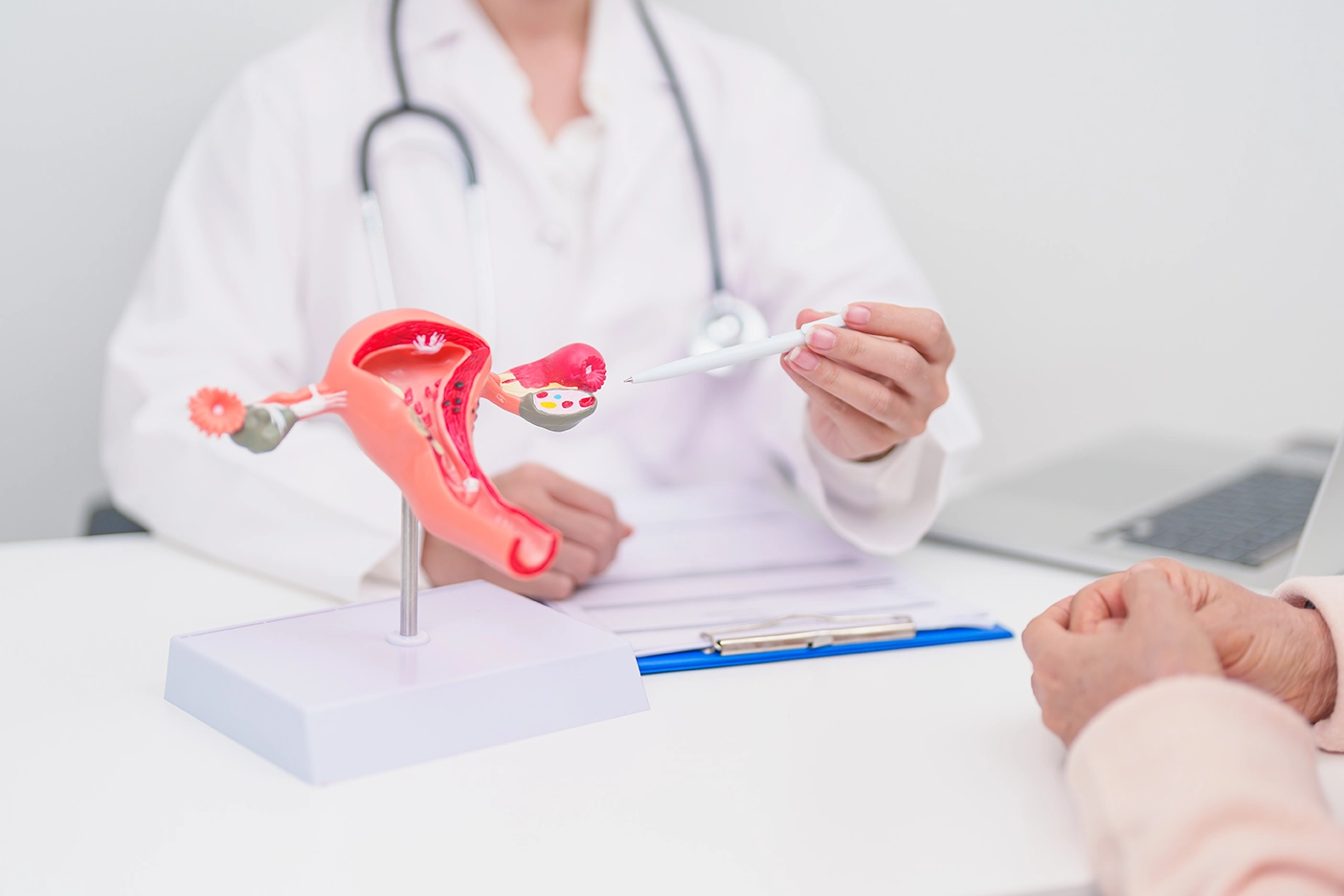
Make an Informed Decision About Hysterectomy With Dr Wei-Wei Wee-Stekly
A hysterectomy is a significant decision, particularly when it involves choosing between continued symptom management and permanently removing the uterus. Understanding the medical reasons for recommending surgery, its potential benefits and its long-term implications can help you make a decision that reflects both your health needs and personal priorities.
The Wei-Wei Clinic for Women provides assessment and treatment for a range of gynaecological concerns. Senior Consultant Obstetrician & Gynaecologist Dr Wei-Wei Wee-Stekly takes a considered, individualised approach to gynaecological care. She recognises the importance of preserving treatment choices where appropriate, while helping patients understand when surgery may offer a more effective or necessary solution. Her approach prioritises informed decision-making, with careful attention to each patient's concerns and long-term well-being.
If you have been advised to consider a hysterectomy or are experiencing persistent gynaecological symptoms, contact us today to arrange a consultation and discuss your treatment options.
Frequently Asked Questions About Hysterectomies
Meet Our Doctor

Dr Wei-Wei Wee-Stekly is a senior consultant obstetrician and gynaecologist with extensive experience in women's health at every stage of life. She earned her Bachelor of Medicine and Bachelor of Surgery from Guy's, King's and St Thomas' School of Medicine at King's College London in 2003. Dr Wee-Stekly went on to achieve her MRCOG in the United Kingdom and a Master of Medicine in Obstetrics and Gynaecology in Singapore. She is a Fellow of the Royal College of Obstetricians and Gynaecologists in the United Kingdom and a Fellow of the Academy of Medicine, Singapore.
More About Dr Wei-WeiWomen’s health and well-being are our priority.
For more information or to make an appointment, please call (65) 6250 5608 or leave us a message below.

Operating Hours:
Saturday: 08:30am – 12:30pm
Sunday and Public Holiday: Closed