How Do Fibroids Affect Uterine Size and Shape?
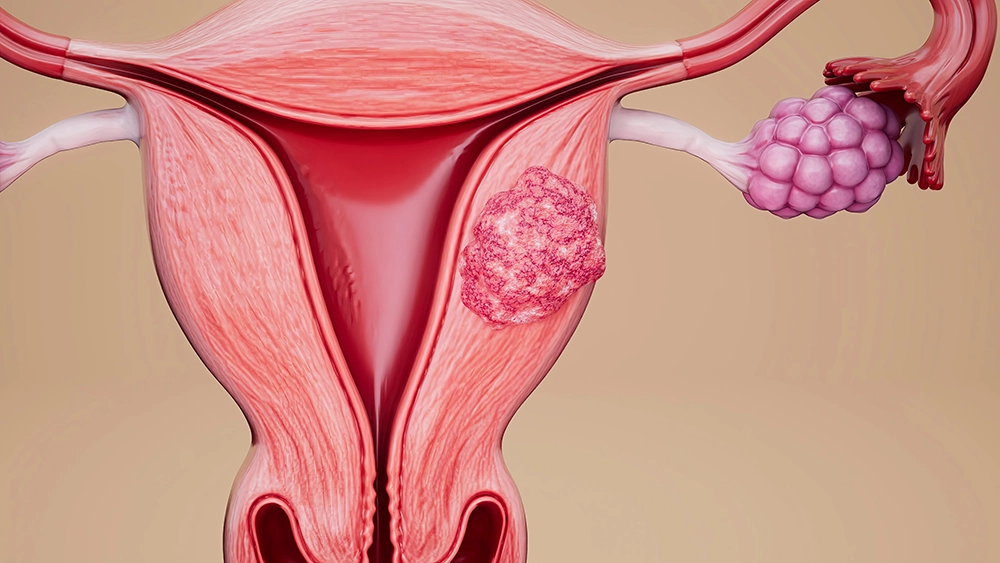

Uterine fibroids are non-cancerous growths that develop in or around the muscular wall of the uterus. As they grow, they can increase the uterus's overall size and weight, change its natural shape and place pressure on surrounding organs. Depending on their size, number and location, fibroids can cause symptoms such as heavy menstrual bleeding, pelvic discomfort, frequent urination or constipation.
Understanding how these changes occur can help you recognise symptoms that may be linked to fibroids and identify changes that warrant medical assessment.
How Fibroids Affect Different Parts of the Uterus
Fibroids can develop within the muscular wall of the uterus, extend towards its outer surface or grow into the uterine cavity. Each location can be responsible for different kinds of structural changes.
Fibroids Growing Within the Uterine Wall
Intramural fibroids develop within the thick muscular wall of the uterus. As they enlarge, they expand the surrounding muscle tissue, increasing the thickness and overall size of the uterus. Larger growths can cause the uterus to become broader or longer, while fibroids concentrated on one side may give it an uneven shape.
The extent of enlargement is influenced by the size and position of the growths. A large intramural fibroid can substantially increase uterine bulk, while one extending towards the inner cavity may also distort its shape.
Fibroids Growing Towards the Outer Surface
Subserosal fibroids grow towards the outer surface of the uterus, forming rounded bulges that project into the surrounding pelvic space. As these growths enlarge, they can increase the overall bulk of the uterus and make its external outline appear irregular.
Some subserosal fibroids develop on a narrow stalk connecting them to the uterus. These are known as pedunculated fibroids and can extend away from the uterine surface without significantly changing the shape of the internal cavity. Larger outward-growing fibroids can occupy considerable space within the pelvis or abdomen.
Fibroids Growing Towards the Uterine Cavity
Submucosal fibroids develop just beneath the uterine lining and grow towards the cavity inside the uterus. As they expand, they can push the lining inwards, narrowing or distorting the cavity's normal shape. Some protrude substantially into the cavity, while others remain partly embedded in the muscular wall.
Unlike fibroids that primarily increase the uterus's external dimensions, submucosal fibroids can cause significant internal distortion even when they are relatively small. This means the uterine cavity can be noticeably affected without a corresponding increase in the uterus's overall size.
How Fibroids Affect Uterine Size and Weight
Each fibroid takes up space and adds to the size of the uterus. One large fibroid may cause most of the enlargement, while several smaller growths can contribute together. Both size and number matter: several very small fibroids may cause less enlargement than one large growth.
The extra tissue also makes the uterus heavier. Small fibroids usually add relatively little weight, while a large fibroid or several sizeable growths can add considerably more. Fibroids therefore affect both uterine size and weight, although this does not necessarily cause a noticeable change in overall body weight.
Why Can Similar-Sized Fibroids Cause Different Symptoms?
Fibroids of similar sizes can produce different symptoms because their location, number and effects on the uterus are not necessarily the same. For example, two women may each have a largest fibroid measuring 5 cm, but one may have only that growth while the other has several additional fibroids. Their overall uterine sizes and the pressure exerted on surrounding organs can therefore differ considerably.
Even when the extent of uterine enlargement is similar, symptoms can vary according to which structures are affected. Some women experience little discomfort despite having an enlarged uterus, while others develop troublesome symptoms from smaller fibroids that affect sensitive areas.
Pressure Affecting Different Areas
Pressure symptoms arise when fibroids or the enlarged uterus crowd nearby organs. A fibroid directed towards the bladder may reduce the space available for it to fill comfortably, leading to more frequent urination. Pressure towards the bowel can contribute to constipation or difficulty passing stools.
A similarly sized fibroid growing in another direction may not affect those organs to the same extent. The difference comes from where the extra tissue sits within the pelvis and how closely it presses against surrounding structures.
Changes to the Uterine Cavity Affecting Menstrual Bleeding
Fibroids that project into the cavity can alter the uterine lining and interfere with the uterine muscle contractions that help limit menstrual bleeding. These changes can contribute to heavier or prolonged periods.
A relatively small fibroid affecting the cavity can therefore cause troublesome bleeding without producing marked overall enlargement. An outward-growing fibroid may add more bulk while having less direct effect on the lining.
How Does a Doctor Assess a Fibroid's Impact on Uterine Size and Shape?
An examination may suggest that the uterus is enlarged or irregular, but imaging helps establish the cause and show the extent of the changes. It can also help distinguish an enlarged uterus due to fibroids from enlargement associated with another condition.
- Ultrasound: Usually the first imaging test, ultrasound can record the uterus's overall dimensions and map fibroids within or around it, showing whether the cavity is displaced or distorted. An abdominal scan provides a wider view, which can be useful for a large uterus, while a vaginal scan can provide closer detail.
- MRI: May be considered when ultrasound leaves uncertainty or a more detailed map is needed for treatment planning. It is not necessary for every woman with fibroids.
If previous scans are available, your gynaecologist can compare the findings to assess whether the fibroids or overall uterine dimensions have changed. These findings are considered alongside changes in symptoms and their effect on daily life when deciding whether monitoring or uterine fibroid treatment is appropriate. Future pregnancy plans may also influence the recommendation, particularly when considering how fibroids may affect fertility.
Discuss Your Fibroid Findings With Dr Wei-Wei Wee-Stekly
A consultation is an opportunity to clarify what your scan findings mean and which changes need attention. Bringing an existing ultrasound report, together with a description of any symptoms, can help you discuss whether follow-up is needed and what should prompt an earlier review.
At The Wei-Wei Clinic for Women, we provide assessment and uterine fibroid treatment in Singapore according to your findings and care needs. Dr Wei-Wei Wee-Stekly, our senior consultant obstetrician & gynaecologist, can assess how fibroids are affecting your uterus and discuss appropriate management.
If you have questions about uterine enlargement or changes in your symptoms, contact us to arrange an appointment.
Frequently Asked Questions About Fibroids and Uterine Enlargement
Meet Our Doctor

Dr Wei-Wei Wee-Stekly is a senior consultant obstetrician and gynaecologist with extensive experience in women's health at every stage of life. She earned her Bachelor of Medicine and Bachelor of Surgery from Guy's, King's and St Thomas' School of Medicine at King's College London in 2003. Dr Wee-Stekly went on to achieve her MRCOG in the United Kingdom and a Master of Medicine in Obstetrics and Gynaecology in Singapore. She is a Fellow of the Royal College of Obstetricians and Gynaecologists in the United Kingdom and a Fellow of the Academy of Medicine, Singapore.
More About Dr Wei-WeiWomen’s health and well-being are our priority.
For more information or to make an appointment, please call (65) 6250 5608 or leave us a message below.

Operating Hours:
Saturday: 08:30am – 12:30pm
Sunday and Public Holiday: Closed