What Do Different Types of Uterine Fibroids Mean for Your Care?
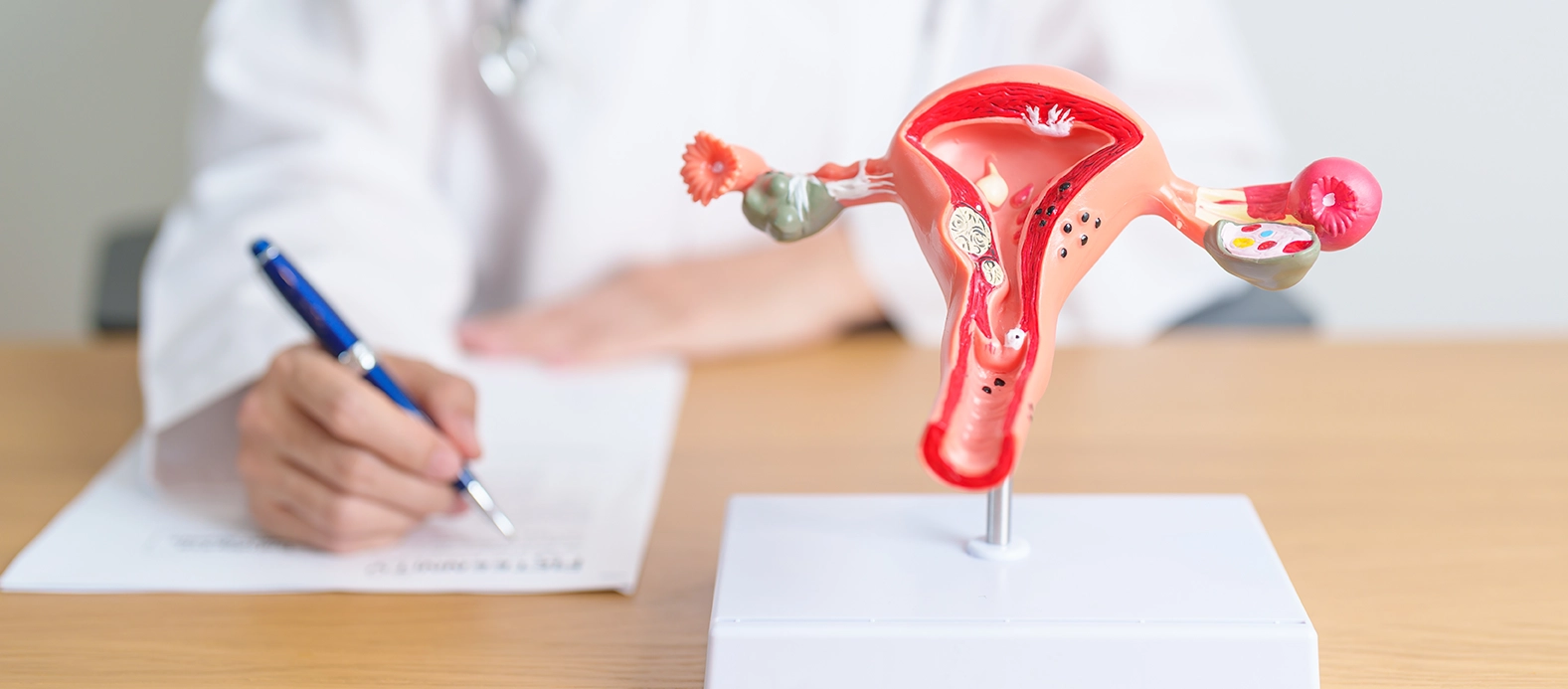

If you have recently been told that you have uterine fibroids, the scan report may have raised almost as many questions as it answered. Terms such as submucosal, intramural or subserosal fibroids can sound technical, leaving you wondering what these findings mean for your health, whether they explain your symptoms and what you can expect moving forward.
Understanding where different types of fibroids develop and how their location can affect the uterus may help you make sense of your symptoms, anticipate possible changes and better understand the treatment options that may be considered for you.
What Are the Main Types of Uterine Fibroids?
The different types of uterine fibroids are mainly classified according to where they develop in relation to the wall and inner cavity of the uterus. This distinction is useful because fibroids in different positions do not always affect the uterus in the same way.
Submucosal Fibroids
Submucosal fibroids develop just beneath the inner lining of the uterus and grow towards or into the uterine cavity. Some project only partly into the cavity, while others extend more prominently into the space where a pregnancy would normally develop.
Intramural Fibroids
Intramural fibroids grow within the muscular wall of the uterus. They may remain relatively small within the muscle or enlarge enough to thicken and expand part of the uterine wall.
Depending on where they sit, some intramural fibroids are closer to the inner cavity, while others extend more towards the outside of the uterus.
Subserosal Fibroids
Subserosal fibroids develop towards the outer surface of the uterus and grow outwards into the pelvis rather than towards the uterine cavity. Some remain closely attached to the uterus, while others grow from a narrower stalk.
How Can Fibroid Location Affect Your Symptoms?
Knowing where a fibroid is located can provide clues about the symptoms it may cause, although the relationship is not exact. The same type of fibroid can affect people differently depending on factors such as its size and position.
Heavy or Prolonged Menstrual Bleeding
Fibroids that grow towards or affect the uterine cavity can interfere with normal menstrual bleeding. The extent of this effect varies according to how much the fibroid alters the cavity and its lining.
- Submucosal fibroids: These fibroids grow towards or into the uterine cavity and are more closely associated with heavy or prolonged menstrual bleeding. By distorting the cavity and affecting the uterine lining, they can interfere with normal menstrual bleeding patterns. Even relatively small submucosal fibroids can cause significant bleeding if they extend into the cavity.
- Intramural fibroids: These fibroids develop within the muscular wall of the uterus and may also contribute to heavier menstrual bleeding, particularly when they are close to or distort the uterine cavity. Their size and position can affect how the uterus contracts during menstruation, potentially contributing to increased bleeding.
Pelvic Pressure, Fullness and Discomfort
As fibroids grow, they can increase the size of the uterus or occupy space within the pelvis. This can create a sensation of pressure or fullness, particularly when larger fibroids press against surrounding tissues and organs.
- Intramural fibroids: As these fibroids grow within the muscular wall, they can increase the overall size of the uterus. This may contribute to pelvic heaviness, fullness or discomfort, particularly when the fibroids become larger.
- Subserosal fibroids: These fibroids grow towards the outer surface of the uterus and may extend into the surrounding pelvic space. Larger subserosal fibroids can press against nearby organs, potentially causing frequent urination when the bladder is affected or constipation when pressure is placed on the bowel. Some women may also experience persistent pelvic fullness or pressure.
How Can Fibroid Type Affect Your Treatment Options?
The location of a fibroid helps determine which treatment approaches can be used, particularly when surgical removal is being considered. Fibroids growing into the uterine cavity may be accessible through the cervix, while those within or outside the uterine wall generally require a different surgical approach.
Treatment Options for Fibroids Extending Into the Uterine Cavity
Submucosal fibroids that extend into the uterine cavity can sometimes be removed using a procedure called hysteroscopic myomectomy. A small instrument is passed through the vagina and cervix into the uterus, allowing the fibroid to be removed without making an incision in the abdomen.
Fibroids that lie mostly within the cavity are generally easier to access using this method. Those extending deeper into the muscular wall can be more challenging to remove completely and may require a different surgical approach or treatment in stages.
Treatment Options for Fibroids Within or Outside the Uterine Wall
Intramural and subserosal fibroids generally cannot be reached through the uterine cavity in the same way. When surgical removal is recommended, laparoscopic surgery offers a minimally invasive approach for suitable cases, using small abdominal incisions to access and remove the fibroids.
Larger, multiple or more complex fibroids may require an open abdominal procedure to allow safe and effective removal. The surgical plan takes into account the fibroids' size, number and position, alongside the symptoms being treated and the patient's future pregnancy plans.
Personalised Fibroid Care at The Wei-Wei Clinic for Women
Understanding the type and location of your fibroids is an important step towards making informed decisions about your care. With a clearer picture of how your fibroids are affecting you, it becomes easier for your specialist to determine whether monitoring is sufficient or whether treatment could help address your symptoms.
At The Wei-Wei Clinic for Women, we provide personalised gynaecological care that considers each patient's health concerns, treatment needs and future reproductive plans. Senior Consultant Obstetrician & Gynaecologist Dr Wei-Wei Wee-Stekly brings her specialist experience and patient-centred approach to helping women understand their diagnosis and make treatment decisions with greater clarity and confidence.
If you have been diagnosed with uterine fibroids and would like guidance on your next steps, contact us to arrange a consultation.
Frequently Asked Questions
Meet Our Doctor

Dr Wei-Wei Wee-Stekly is a senior consultant obstetrician and gynaecologist with extensive experience in women's health at every stage of life. She earned her Bachelor of Medicine and Bachelor of Surgery from Guy's, King's and St Thomas' School of Medicine at King's College London in 2003. Dr Wee-Stekly went on to achieve her MRCOG in the United Kingdom and a Master of Medicine in Obstetrics and Gynaecology in Singapore. She is a Fellow of the Royal College of Obstetricians and Gynaecologists in the United Kingdom and a Fellow of the Academy of Medicine, Singapore.
More About Dr Wei-WeiWomen’s health and well-being are our priority.
For more information or to make an appointment, please call (65) 6250 5608 or leave us a message below.

Operating Hours:
Saturday: 08:30am – 12:30pm
Sunday and Public Holiday: Closed